
The Story
Specifications
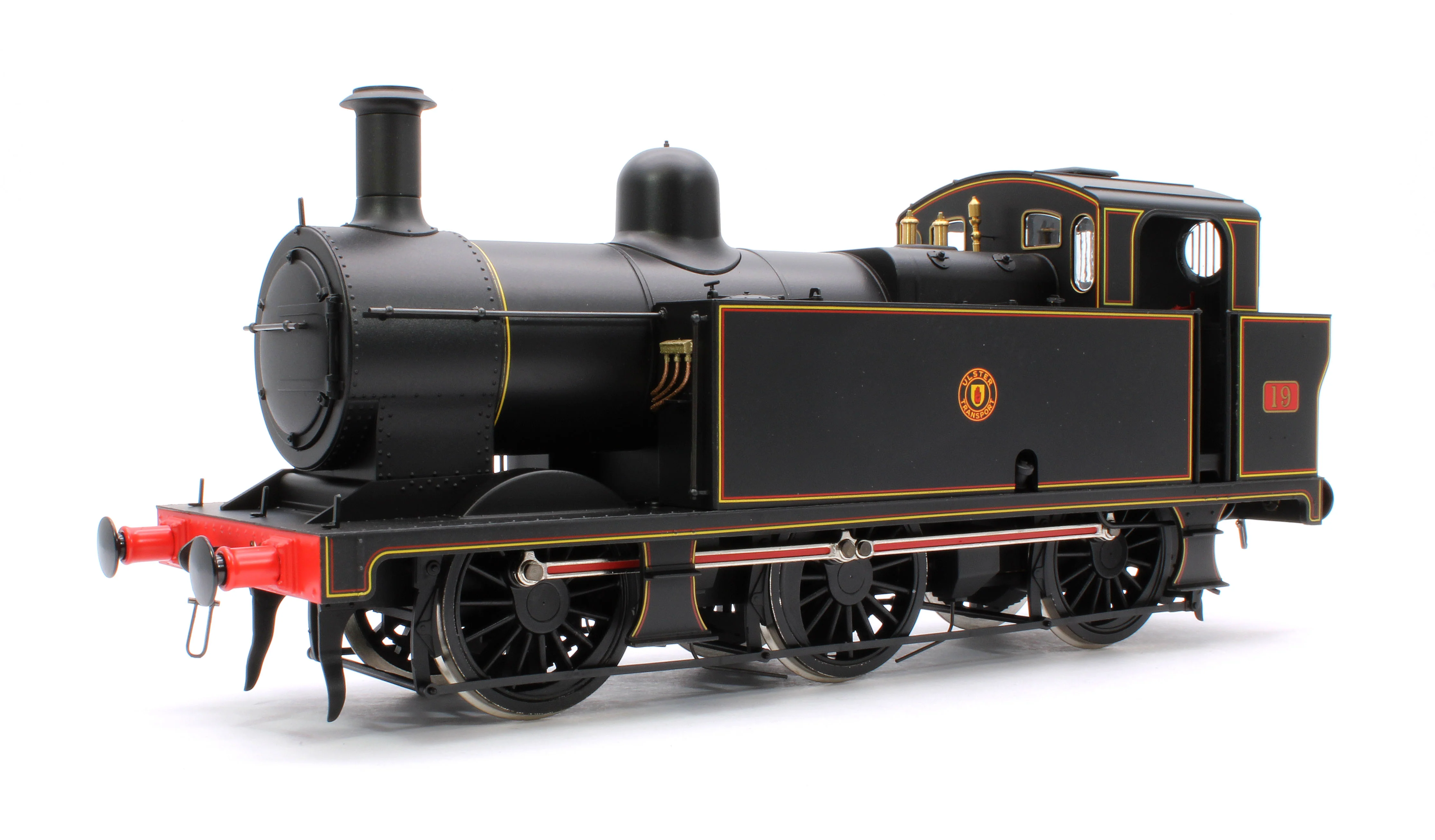
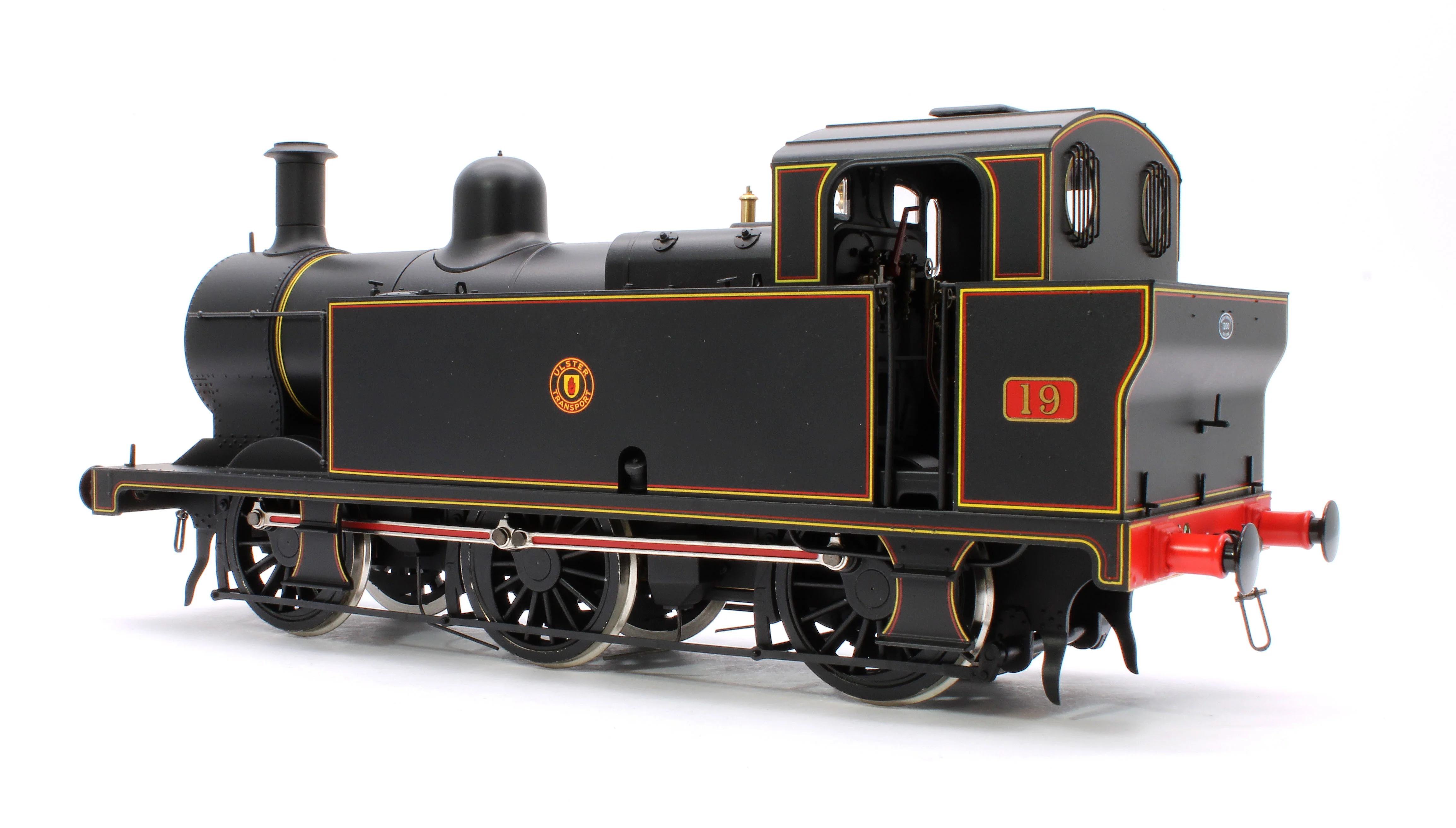
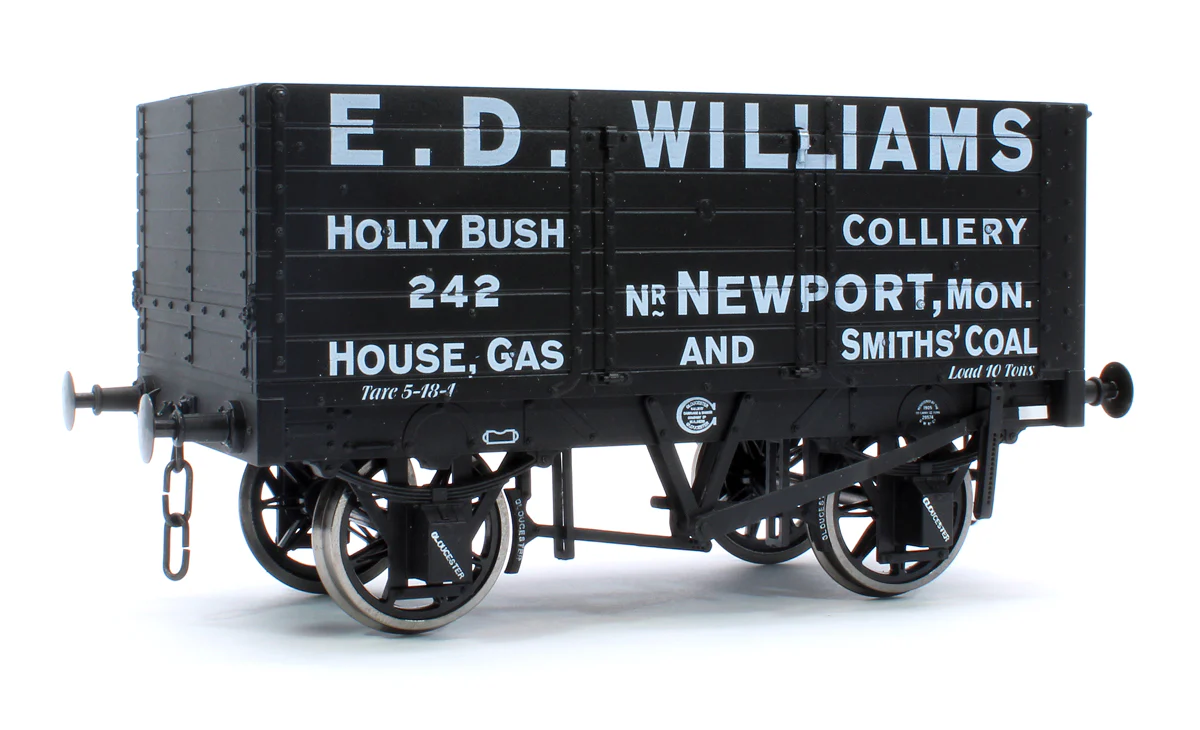
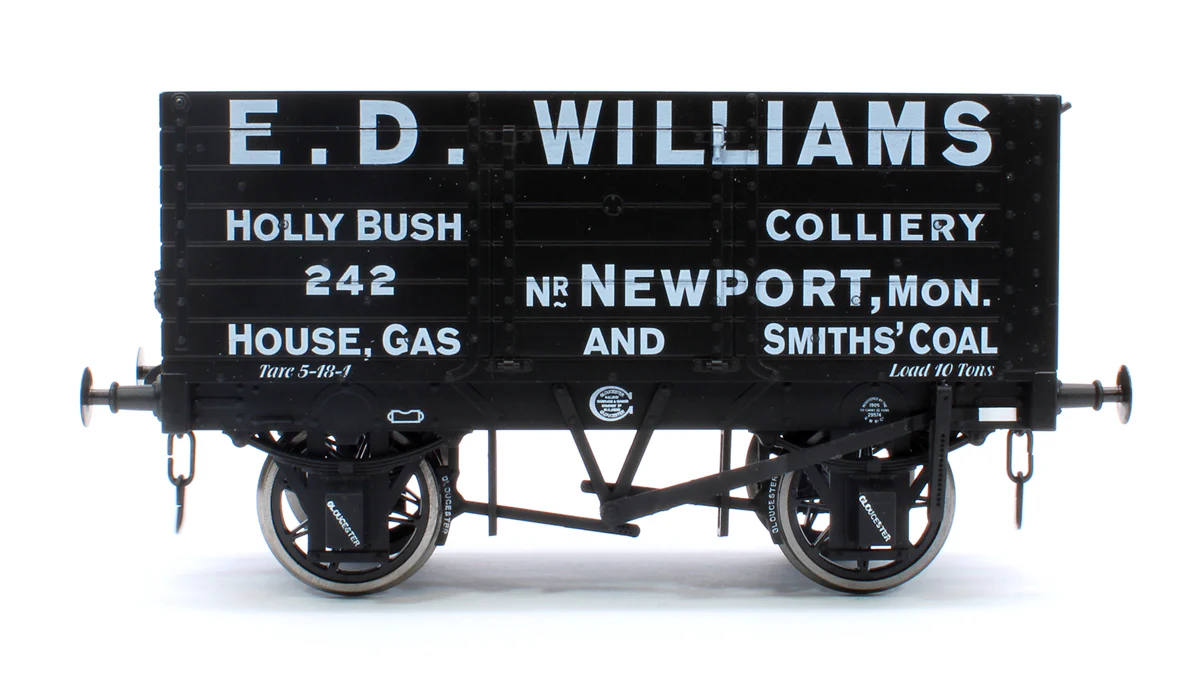
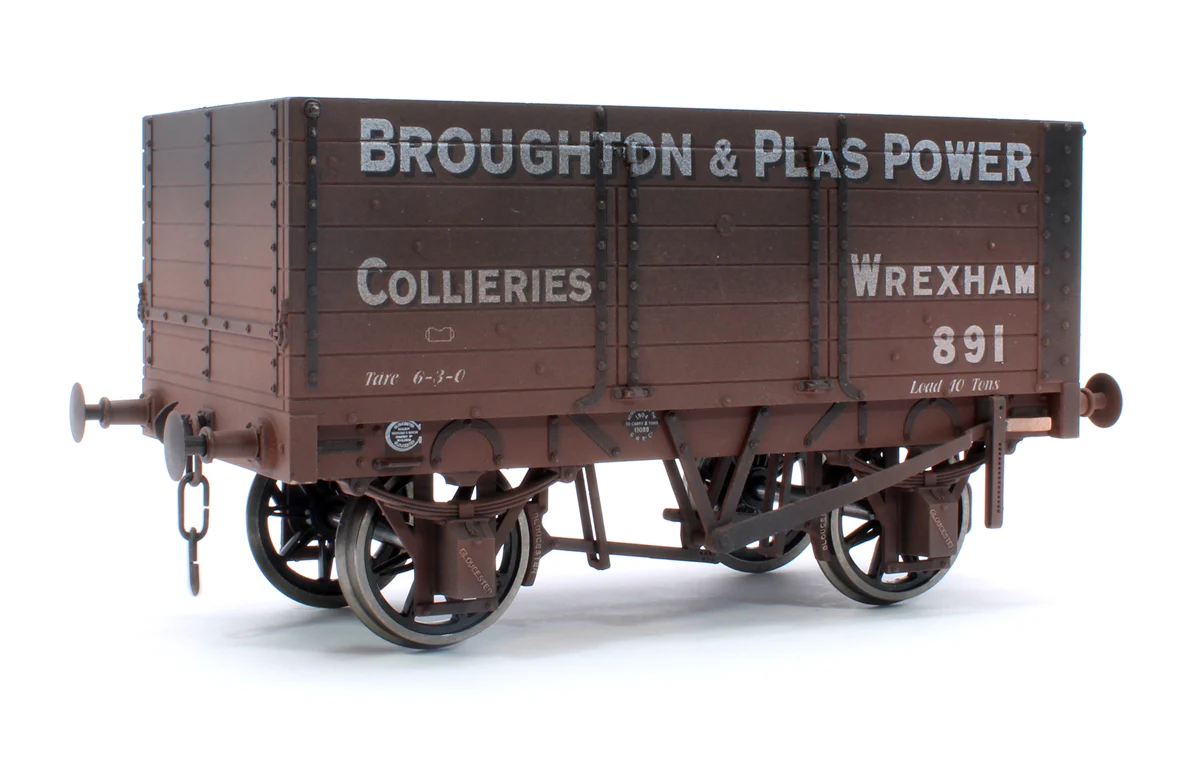
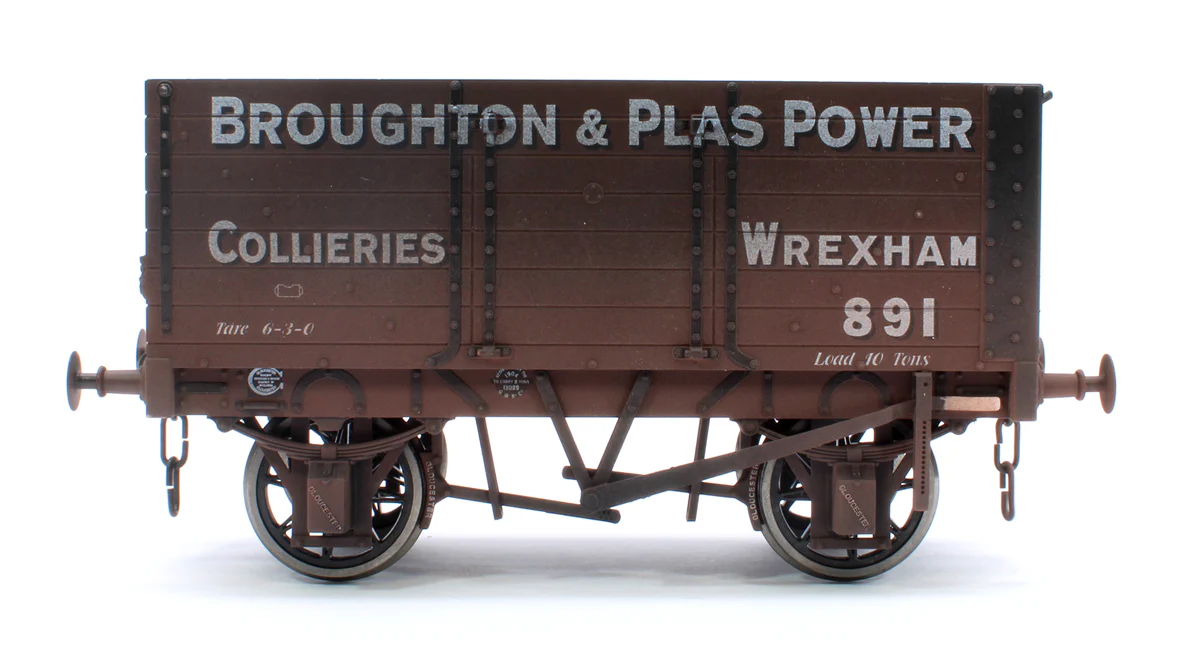
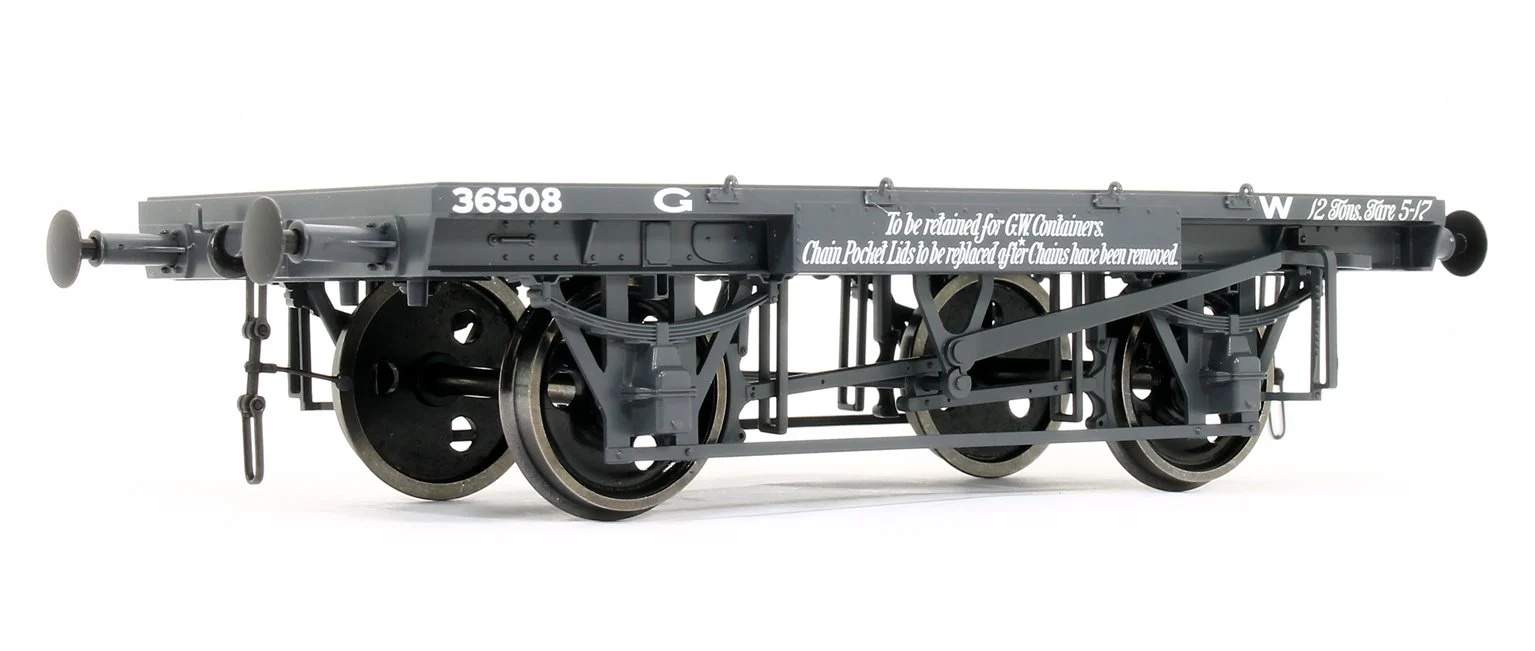
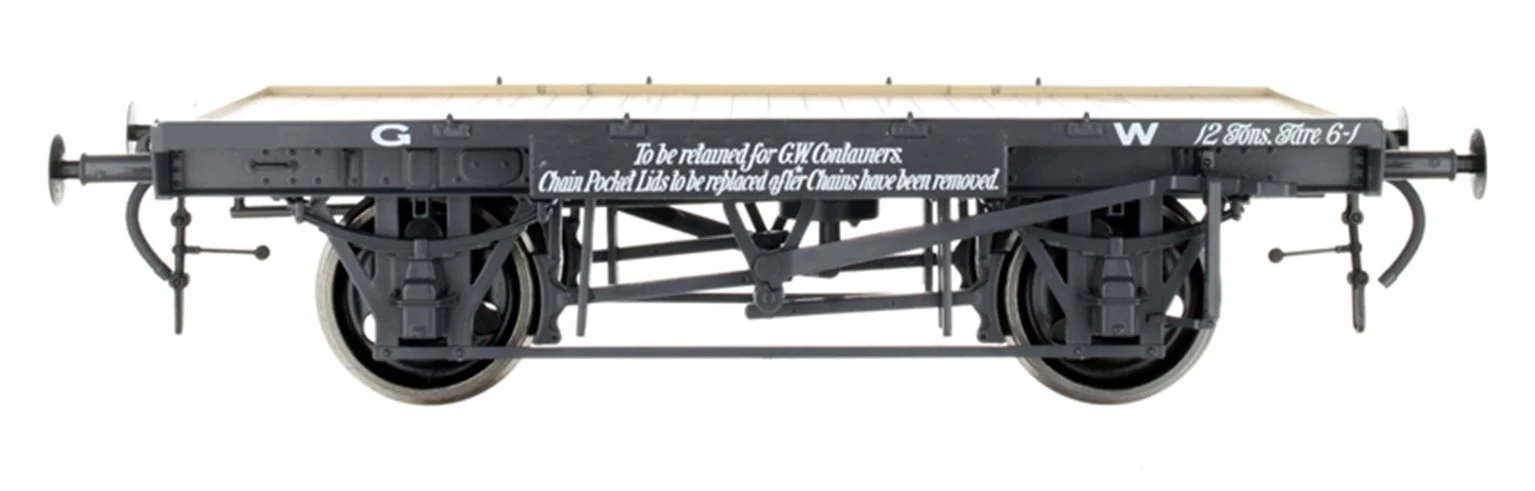
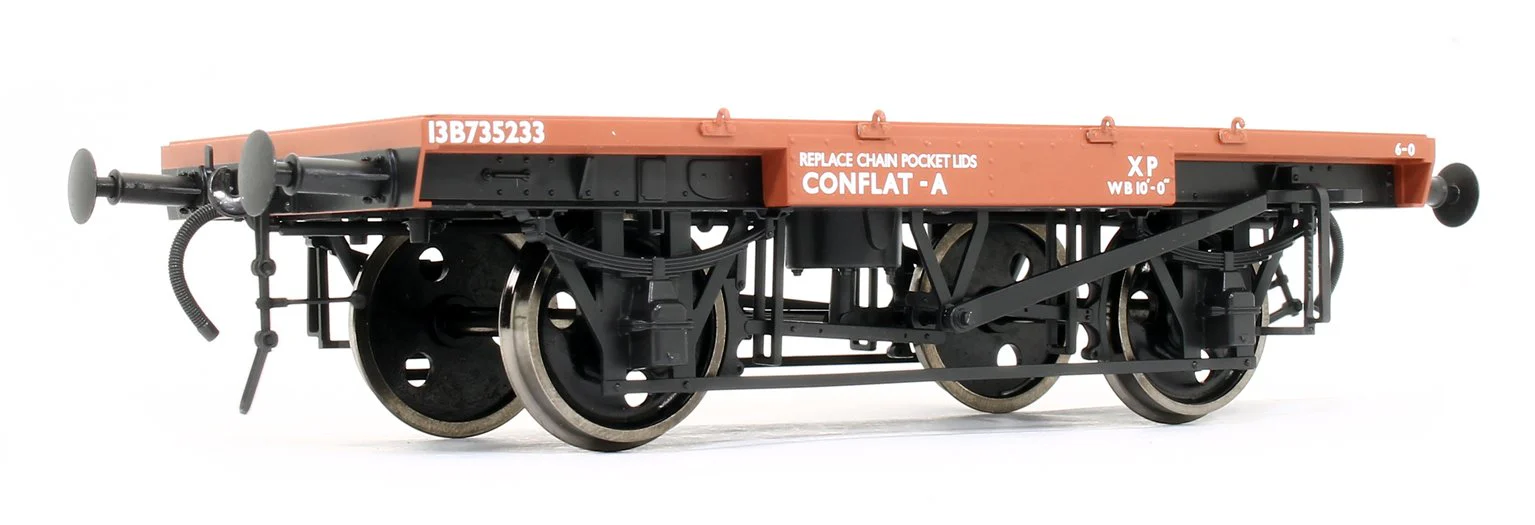
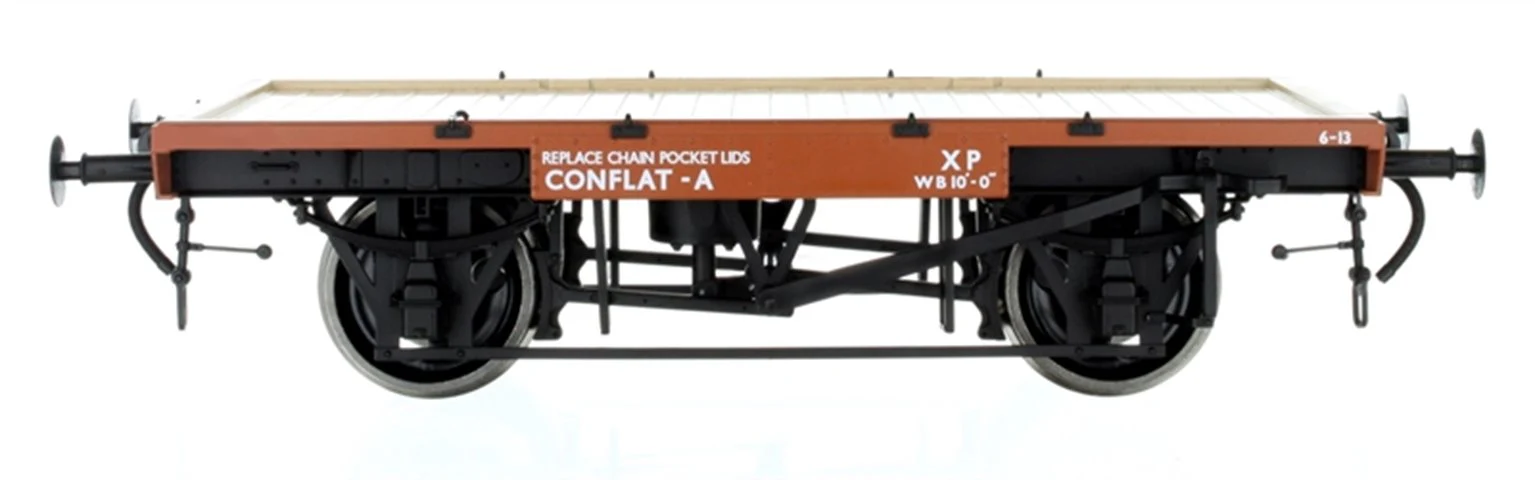
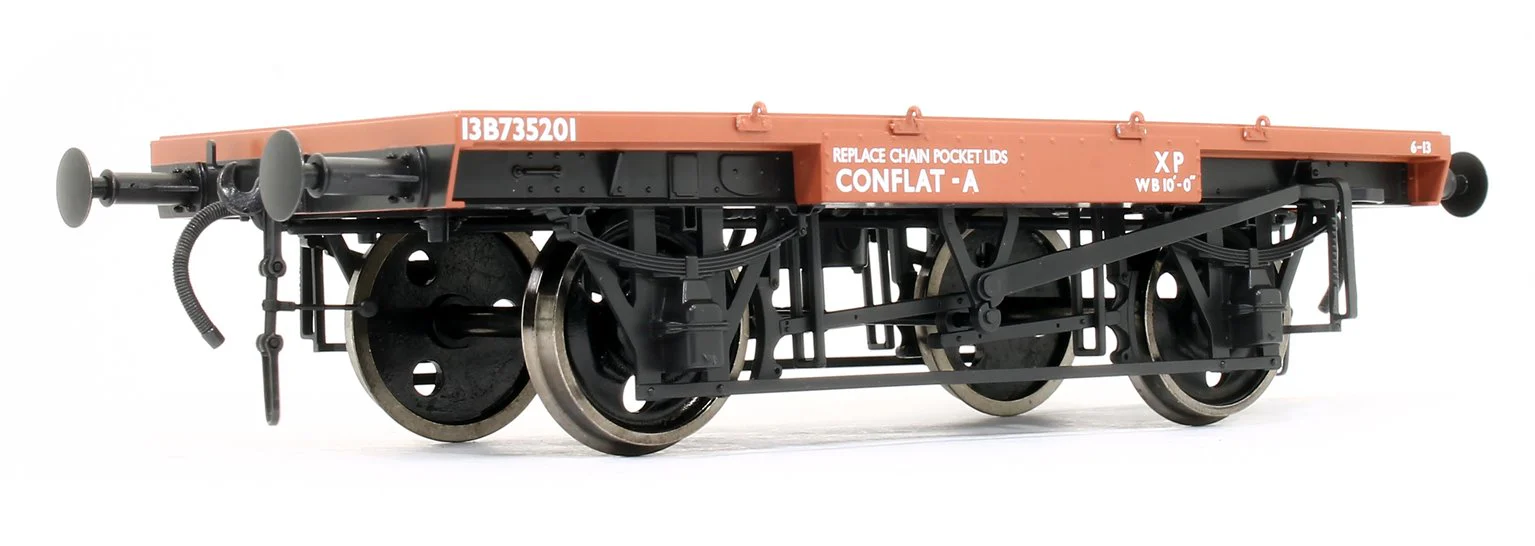
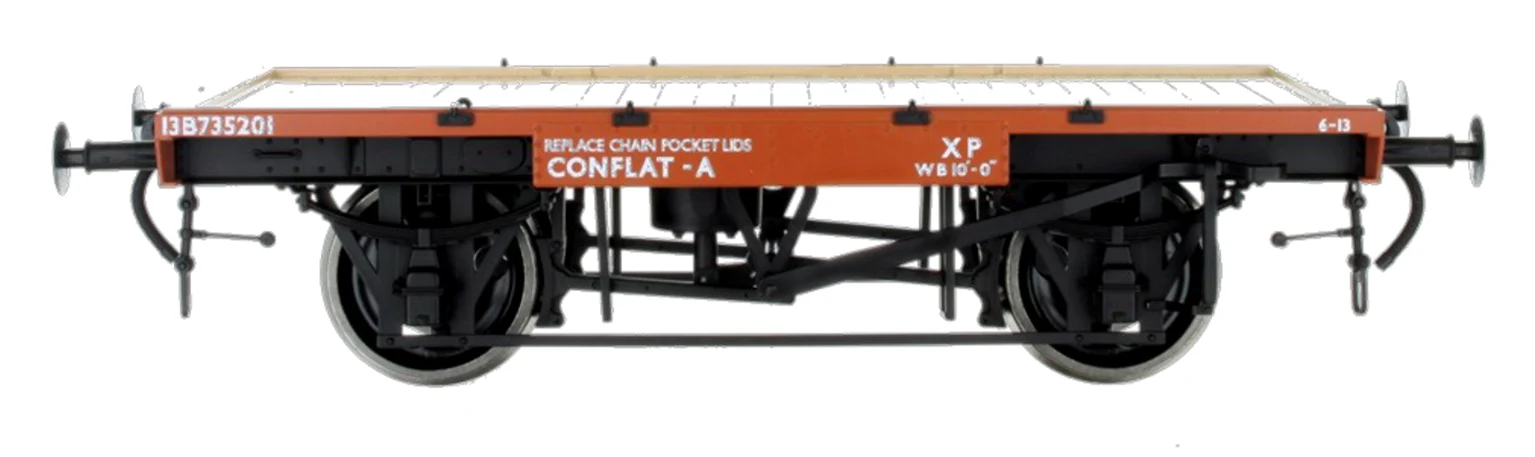
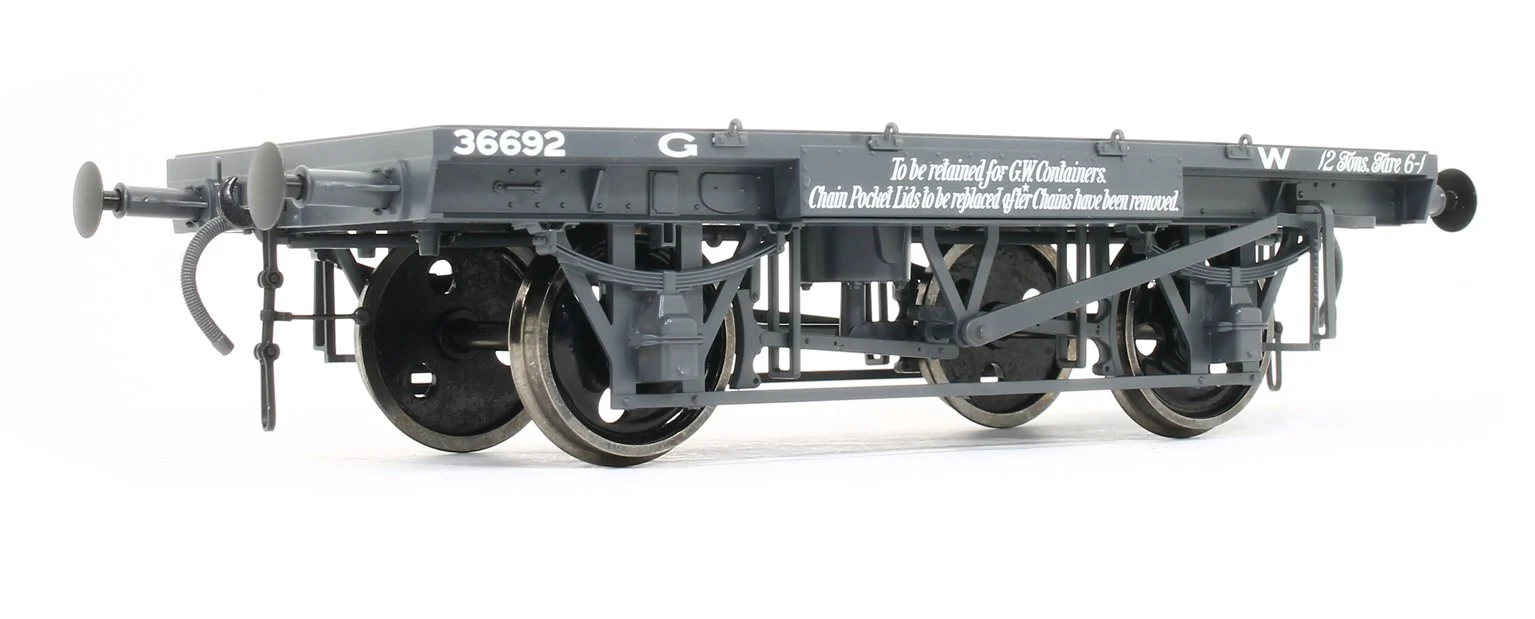
- Die-cast compensated chassis
- Finely profiled wheels and axles with brass bearing pockets
- Highly detailed injection moulded body
- Many separately added fine details
- Sprung metal buffers
- Sprung metal coupling hook and three link coupling
- Expertly applied liveries
History
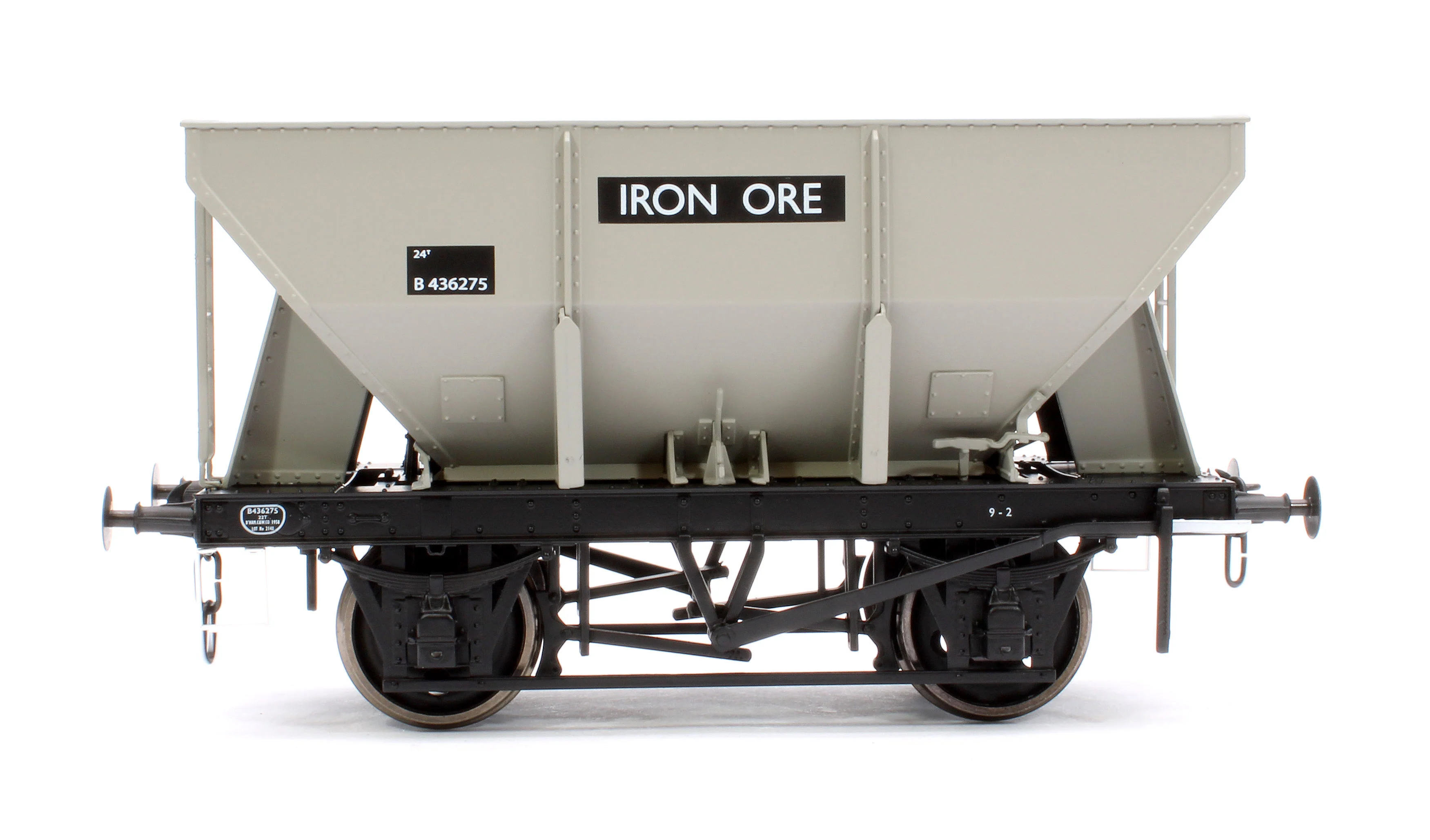
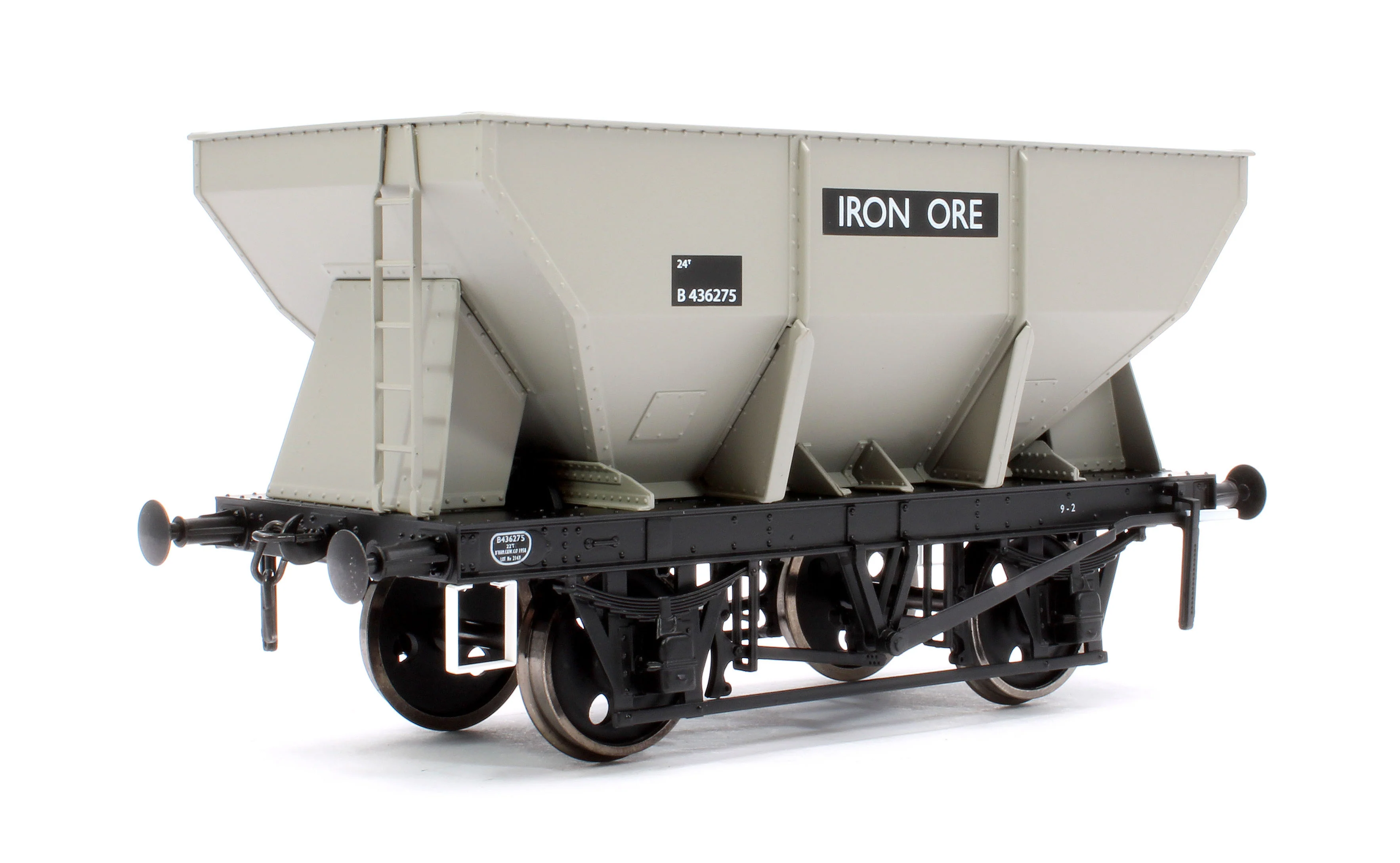
Charles Roberts built 1,000 22 ton hopper wagons to Diagram 161 in 1949, and a year later 1,500 were built to Diagram 1/162 uprated to 24 tons. These were built by Charles Roberts, and Cambrian with Birmingham upgrading 500 of the 22 ton 1/161 wagons. They were initially used for iron ore traffic and latterly Limestone, chalk and sand.
Details & Craftsmanship
Every detail has been carefully considered to bring you the perfect product.
Details & Craftsmanship
Every detail has been carefully considered to bring you the perfect product.
Description
Specifications
- Die-cast compensated chassis
- Finely profiled wheels and axles with brass bearing pockets
- Highly detailed injection moulded body
- Many separately added fine details
- Sprung metal buffers
- Sprung metal coupling hook and three link coupling
- Expertly applied liveries
History
Charles Roberts built 1,000 22 ton hopper wagons to Diagram 161 in 1949, and a year later 1,500 were built to Diagram 1/162 uprated to 24 tons. These were built by Charles Roberts, and Cambrian with Birmingham upgrading 500 of the 22 ton 1/161 wagons. They were initially used for iron ore traffic and latterly Limestone, chalk and sand.