
The Story
Expected Delivery September 2026 (Subject to Change at Manufacturer's Discretion).
A must-have model for your Class 43 rake, this FGW Mk3 TS Coach depicts Trailer Second No. 42272 in the First Great Western Green, Gold and White scheme from the early 2000s.
The Class 43 HST Power Cars and Mk3 trailing coaches have been a mainstay of the Hornby OO and TT:120 ranges for many years and this collection allows you to build a fully prototypical eight-car train, which is sure to make a statement on your TT:120 layout! Each Mk3 vehicle has been meticulously researched and features correct tooling depending on the type, expertly adorned with accurate colours and typefaces, and coach lettering.
Model Specification:
- Highly detailed model of Mk3 Trailer Second
- Defined bogie mouldings
- Detailed underframe and roof
- Moulded interior
- Kinematic NEM coupling mechanism
- Accessory pack.
Livery:
- First Great Western Green, Gold and White, commonly referred to as ‘Fag Packet’ livery
- ‘C’ coach number decals
- Semi-gloss finish
- Faithfully created using accurate colours and fonts
- Era 9.
History:
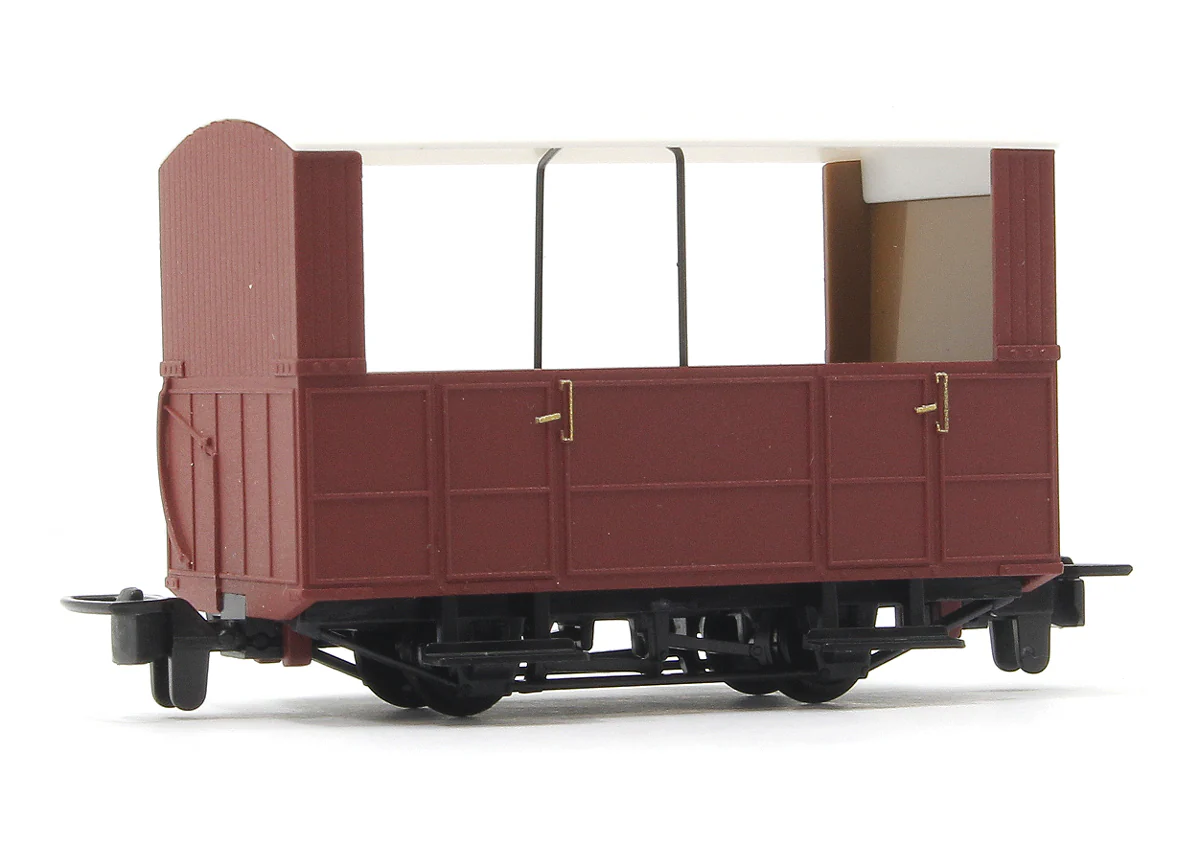
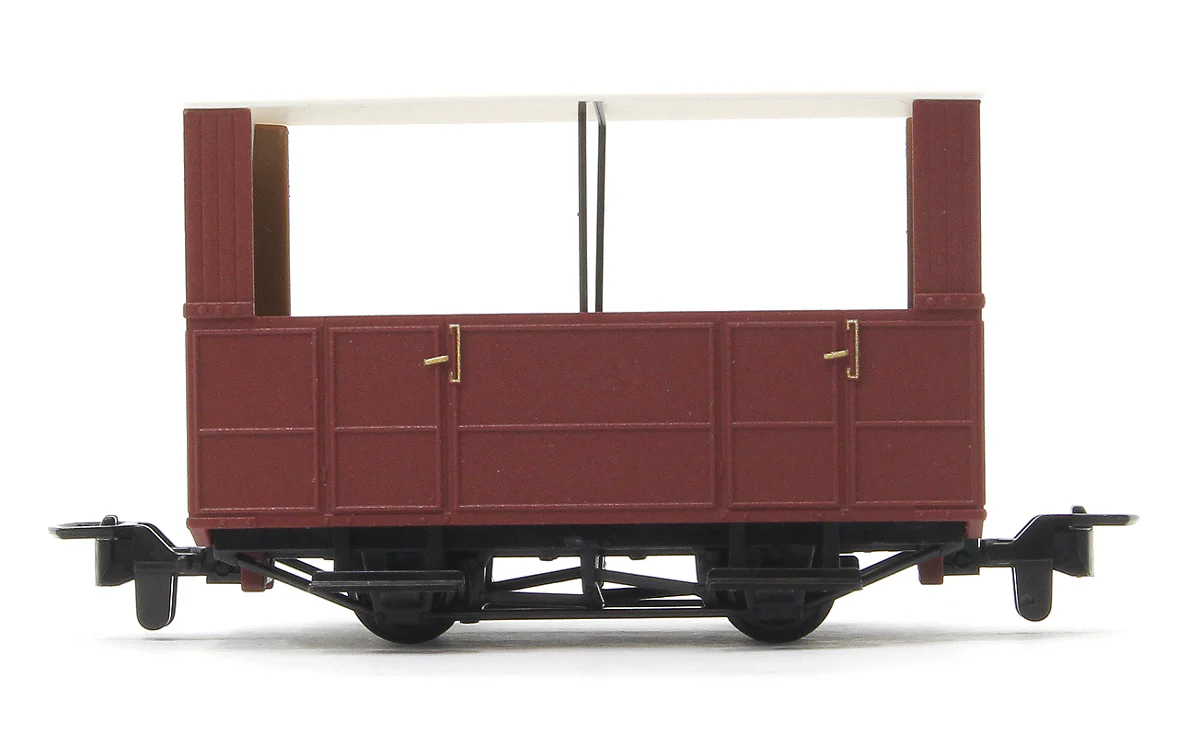
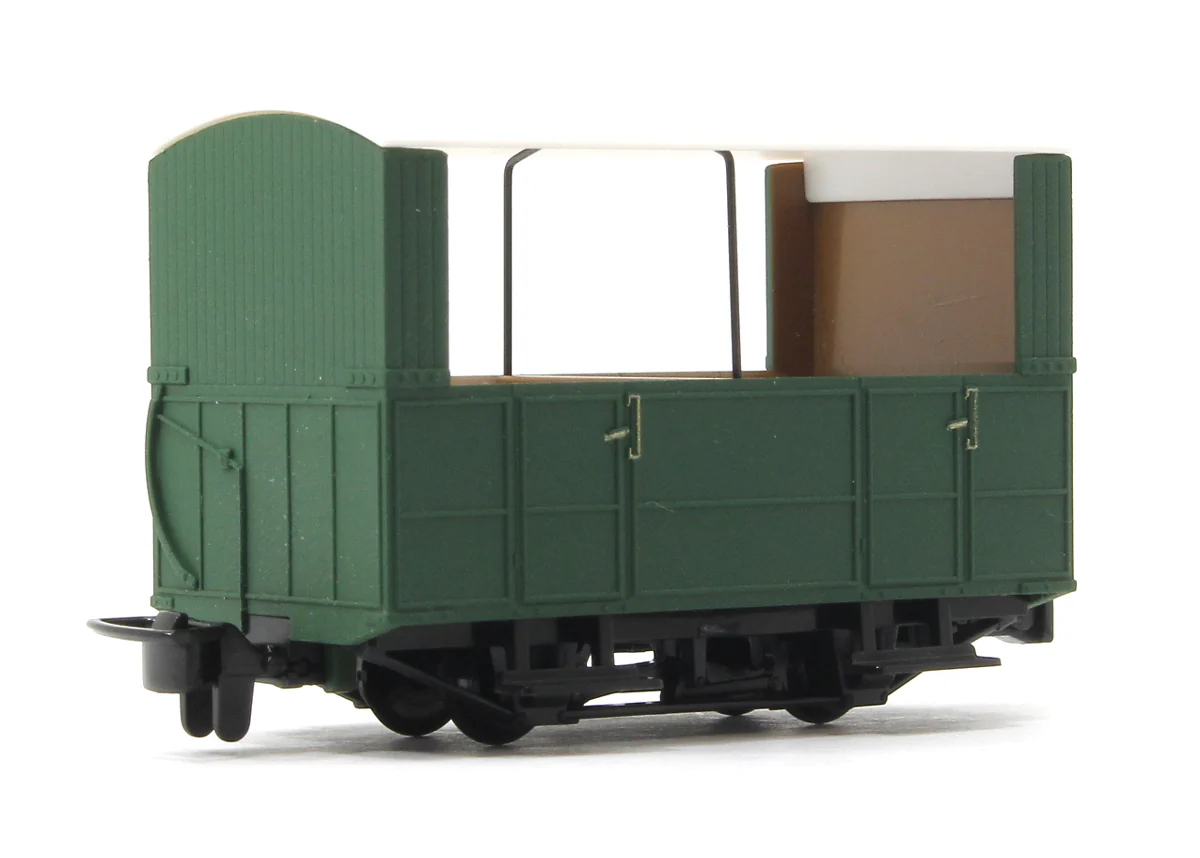
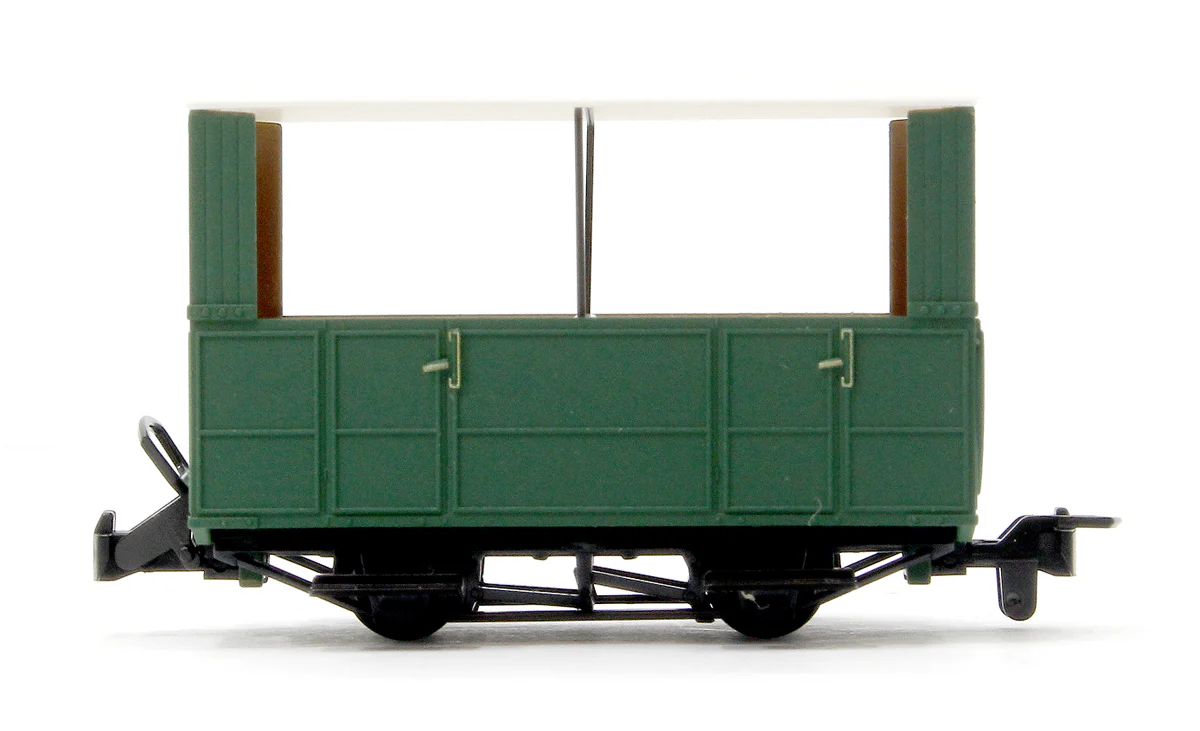
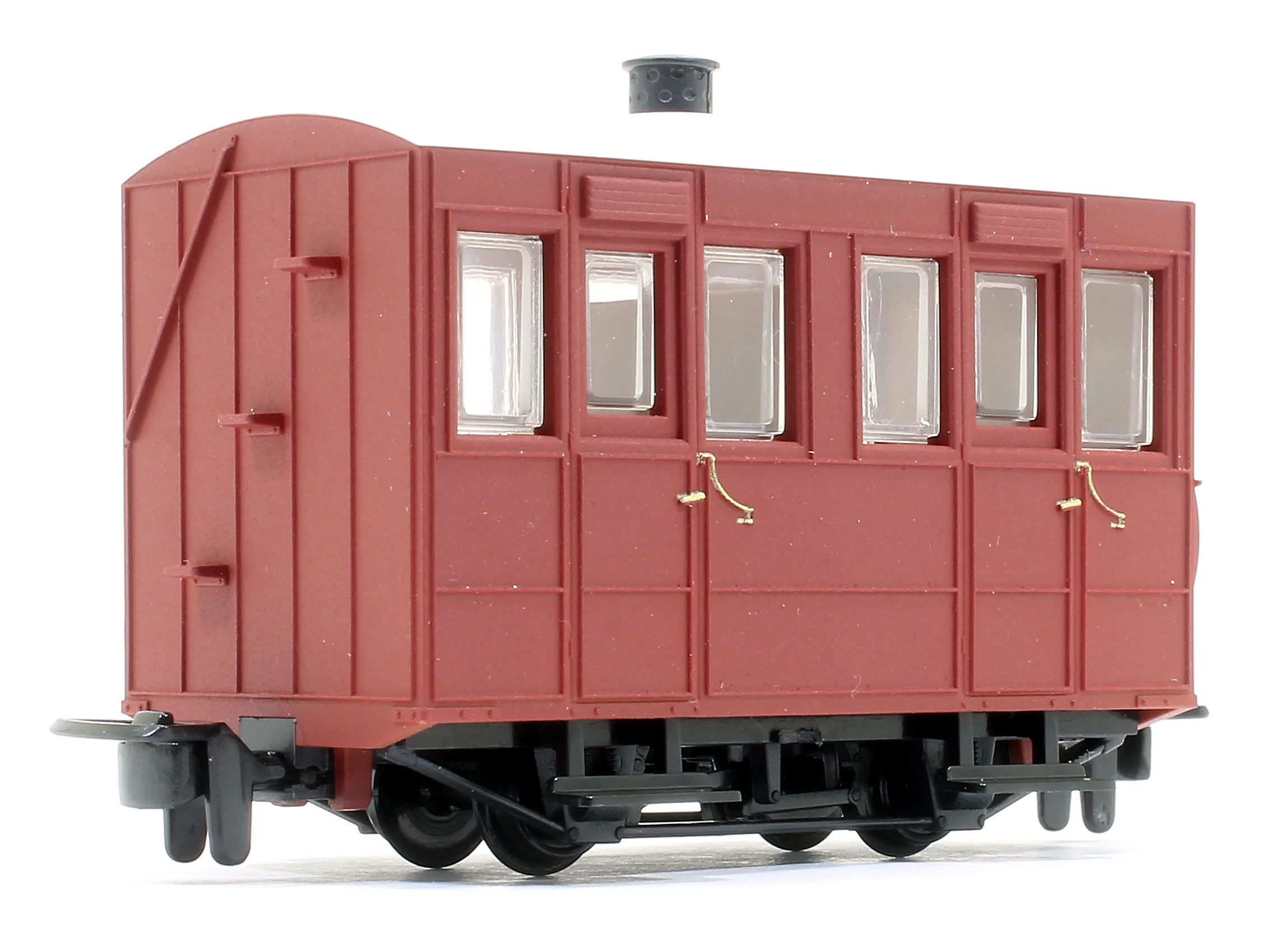
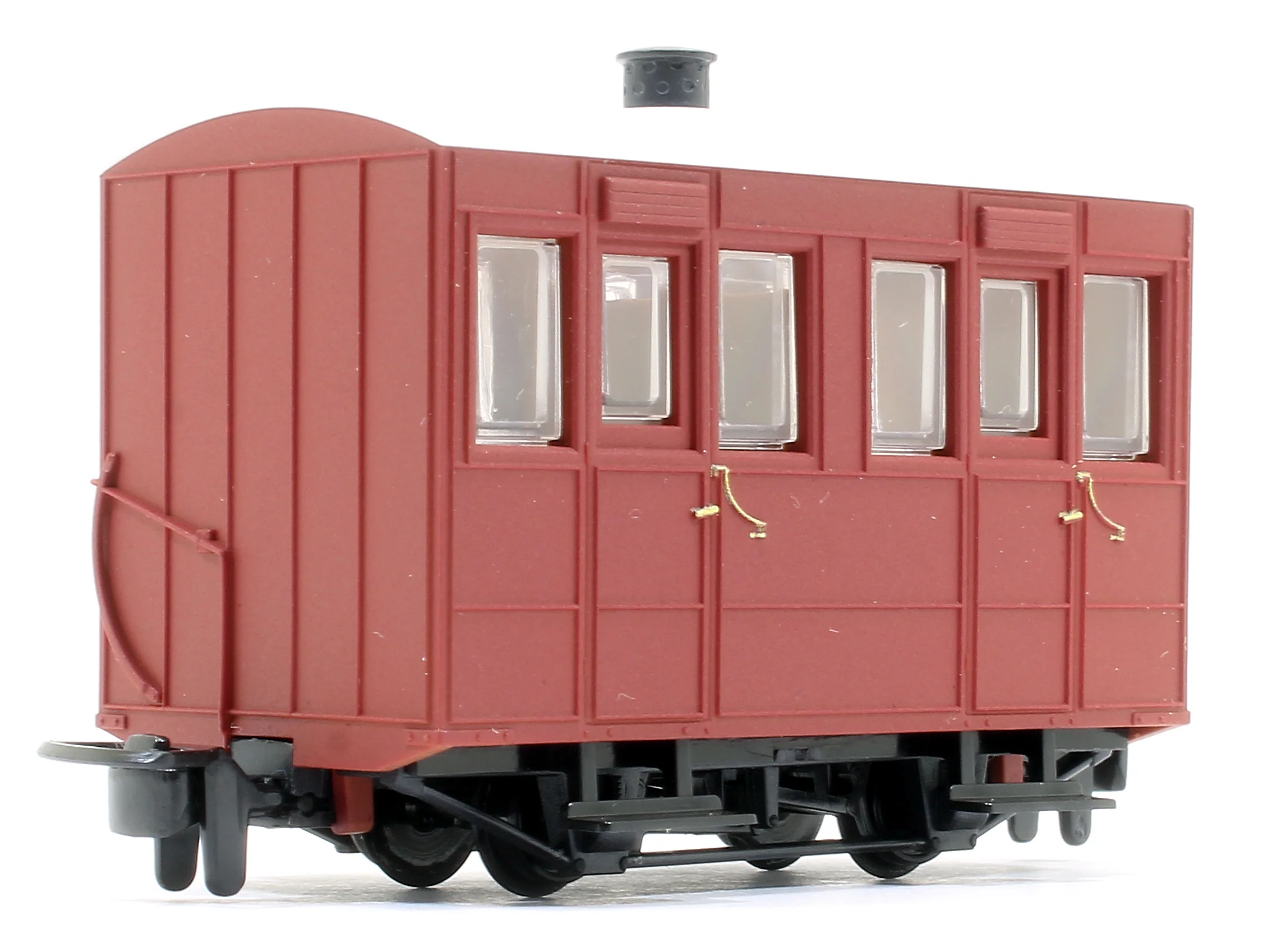
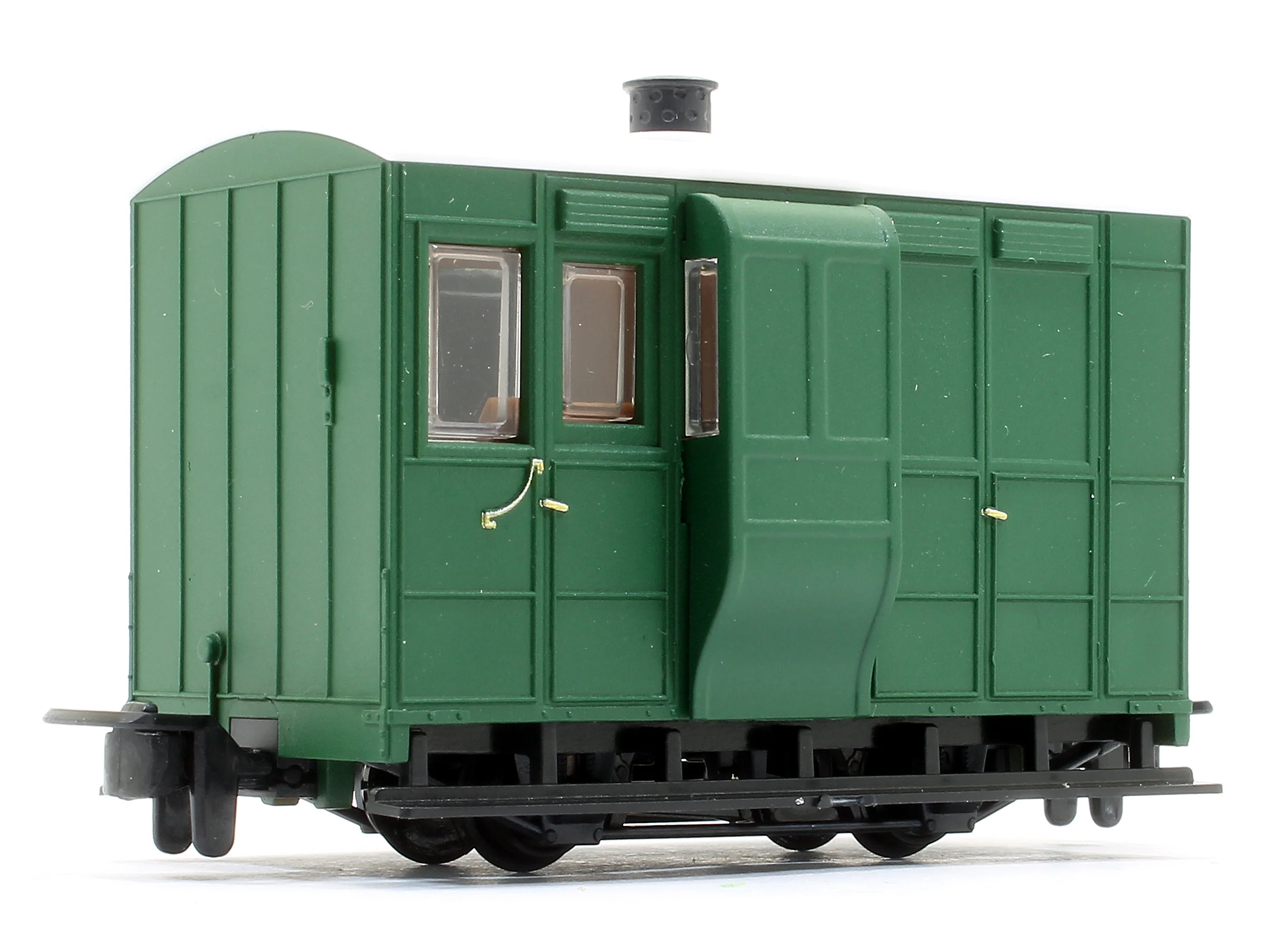
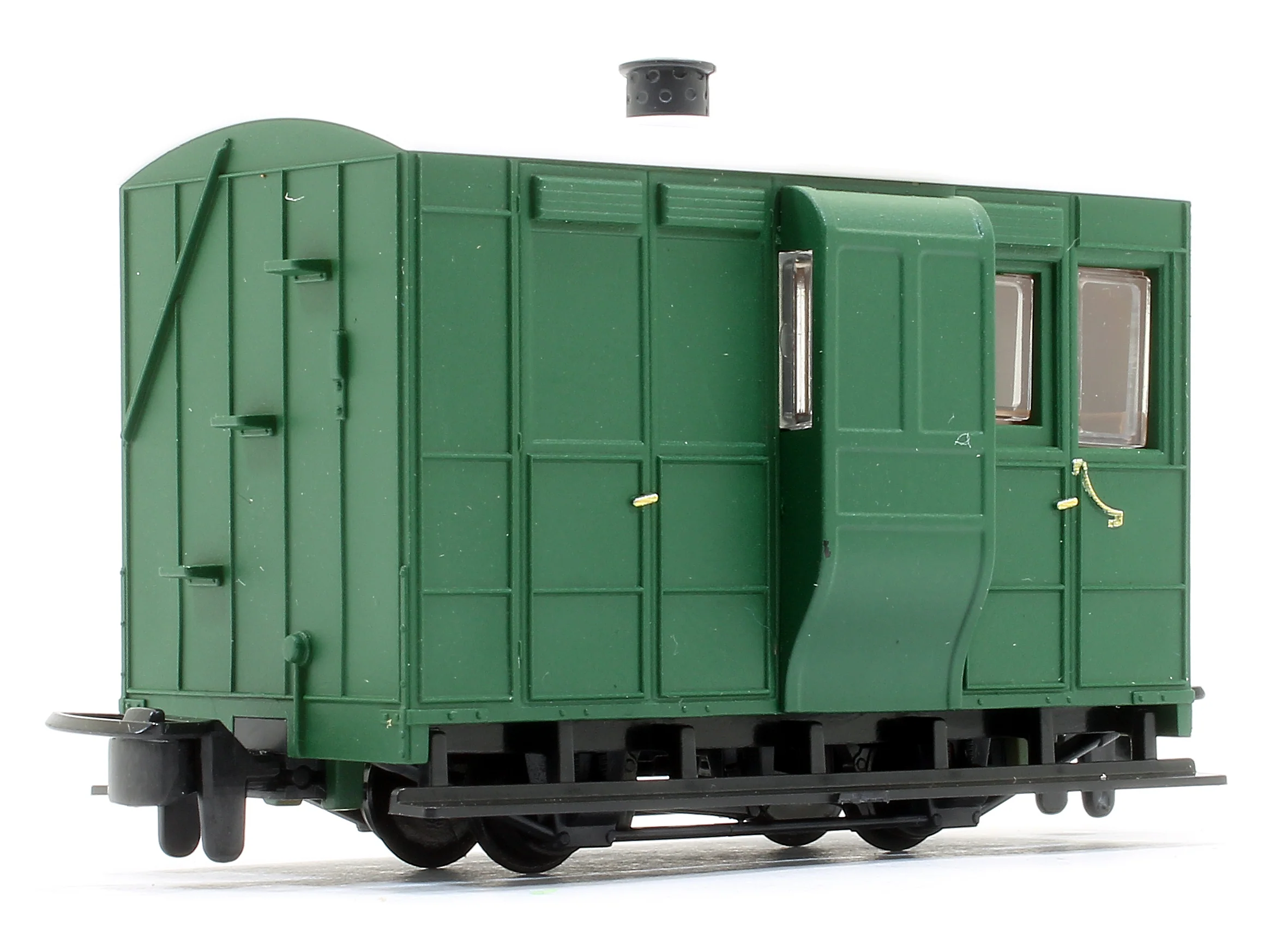
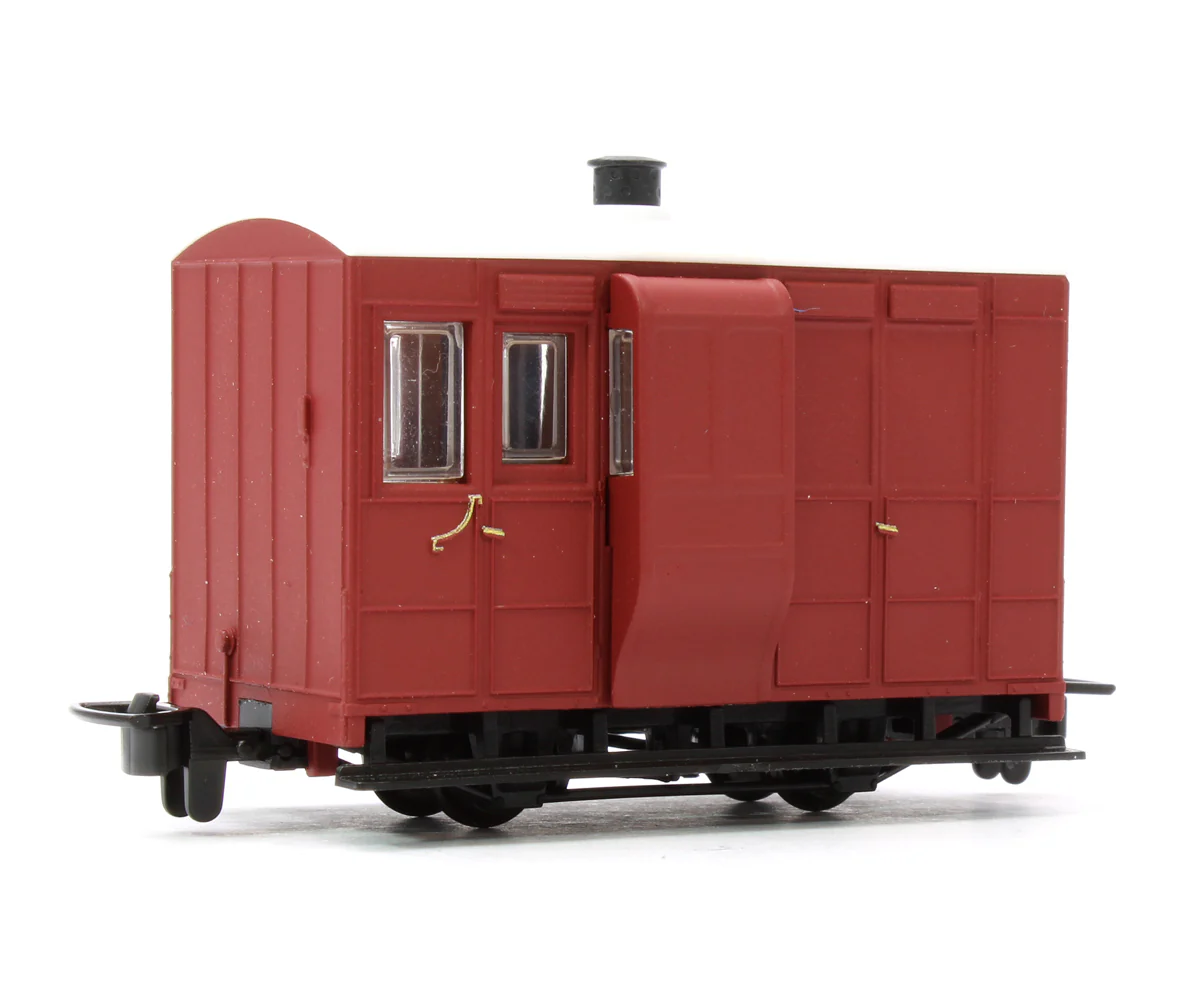
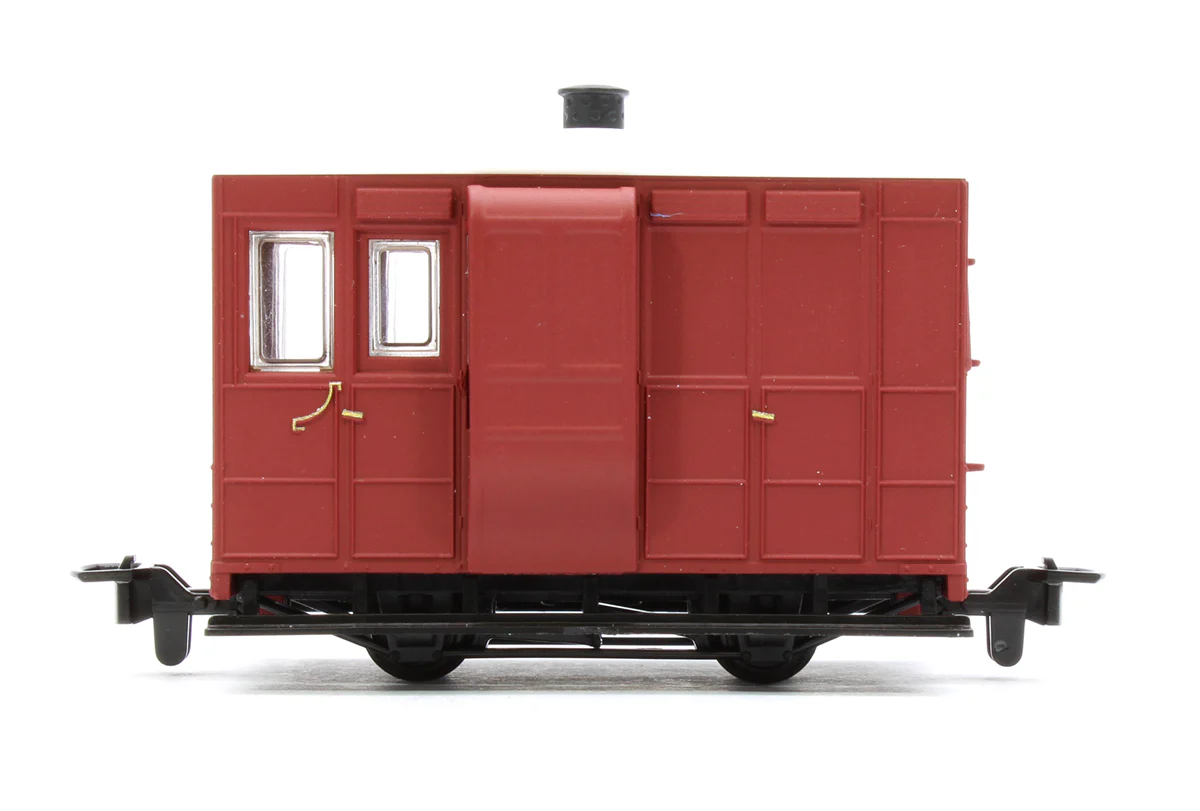
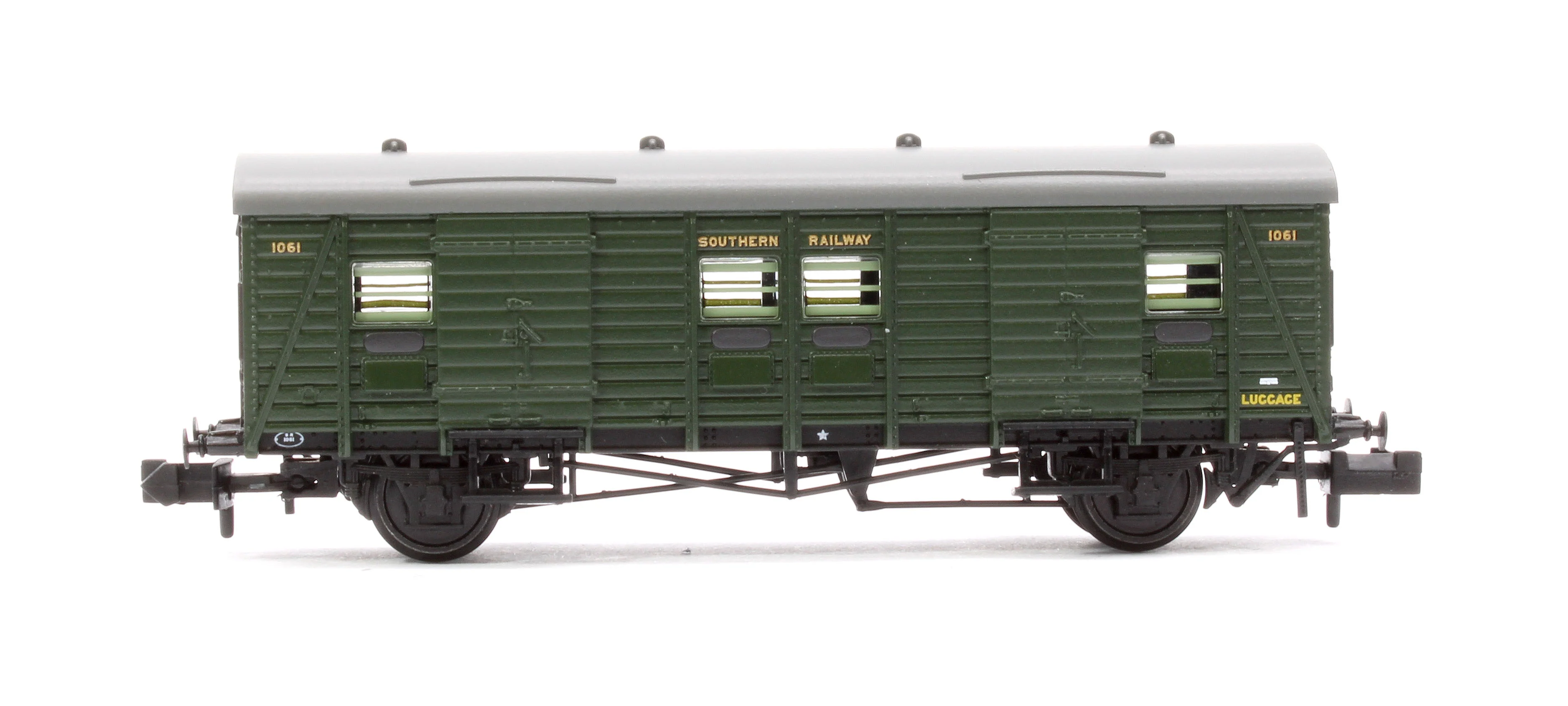
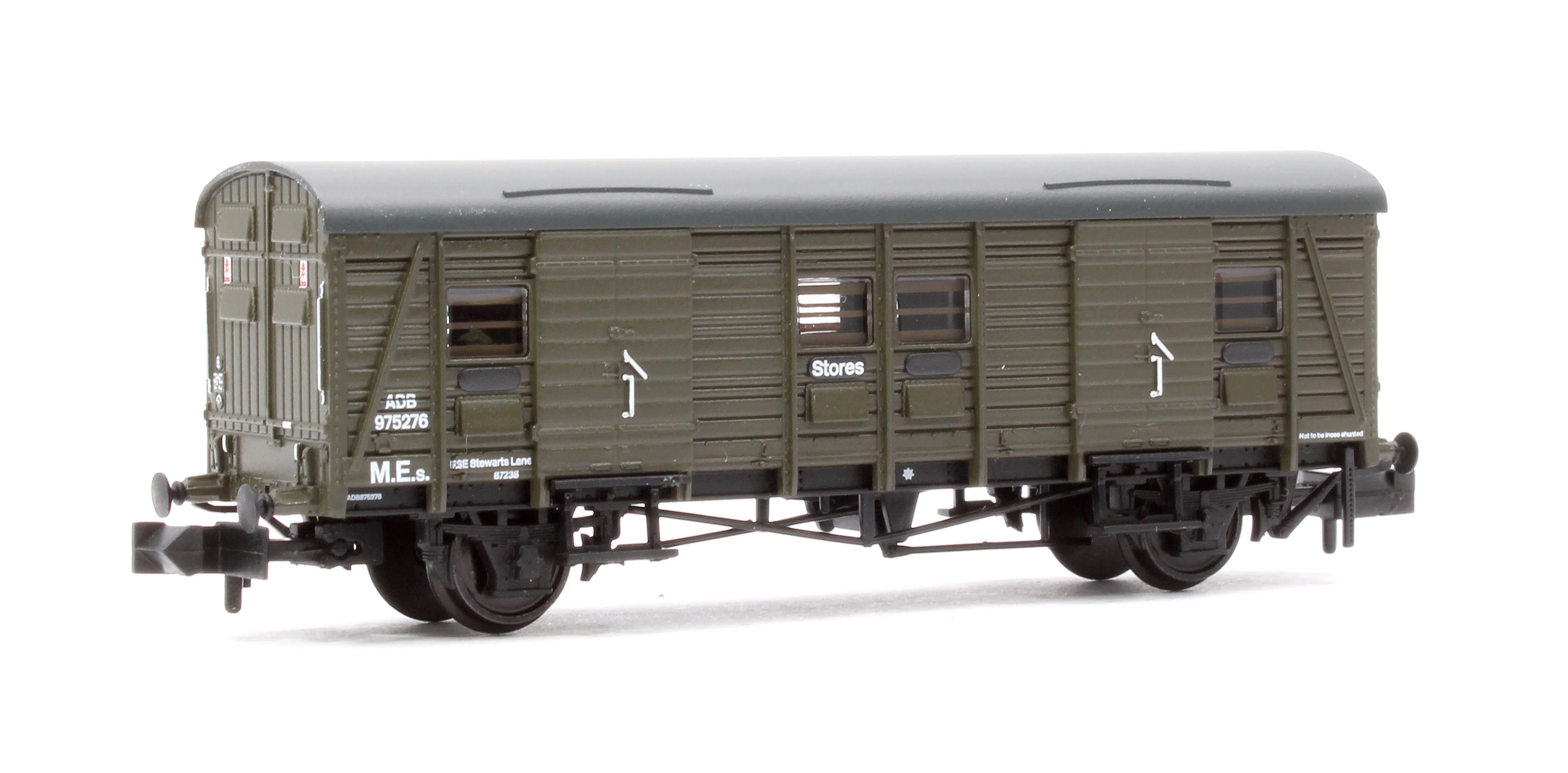
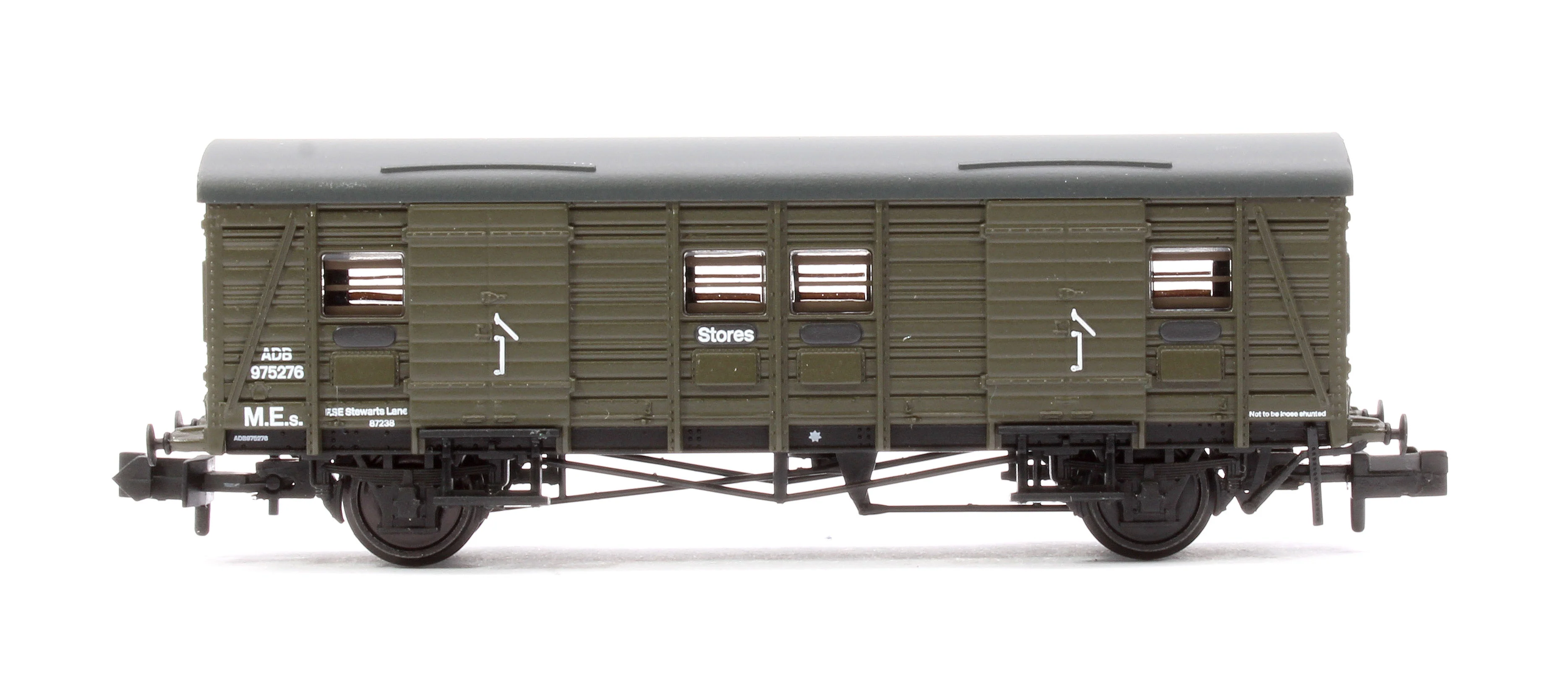
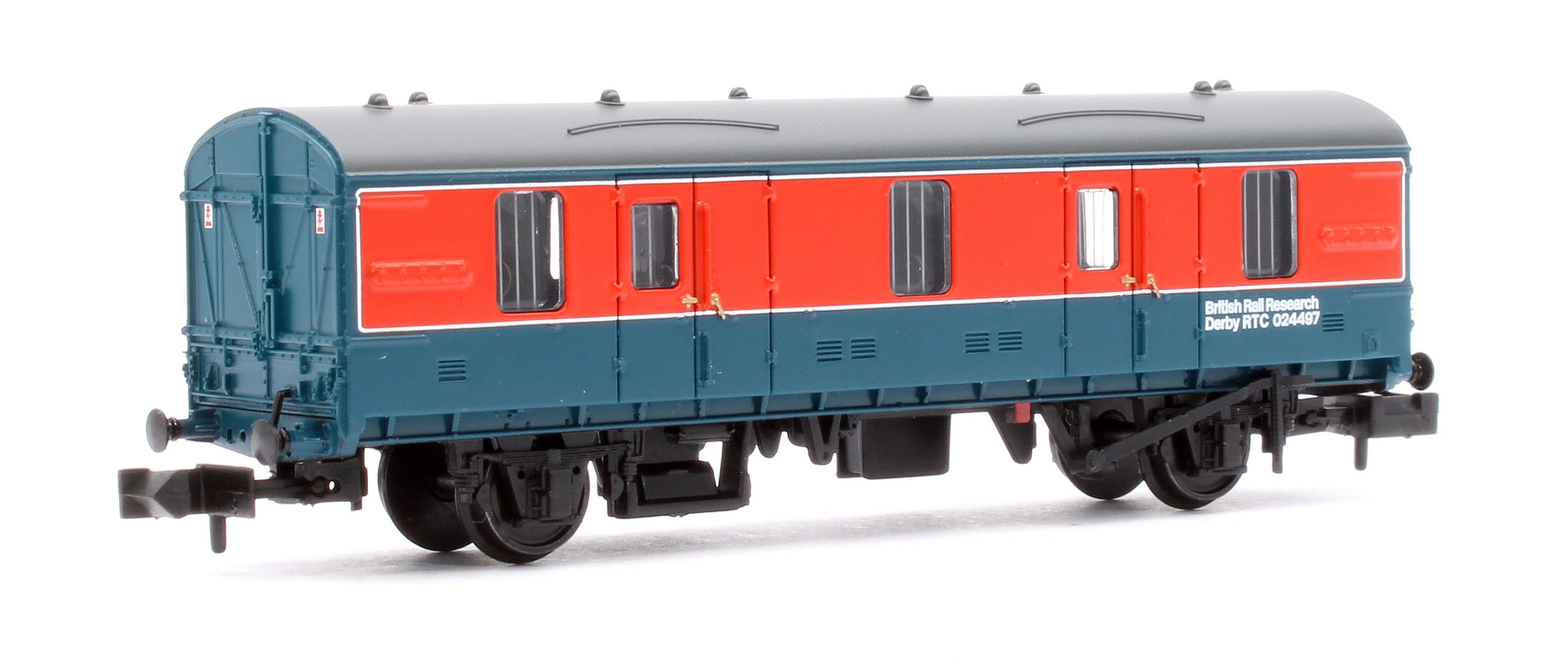
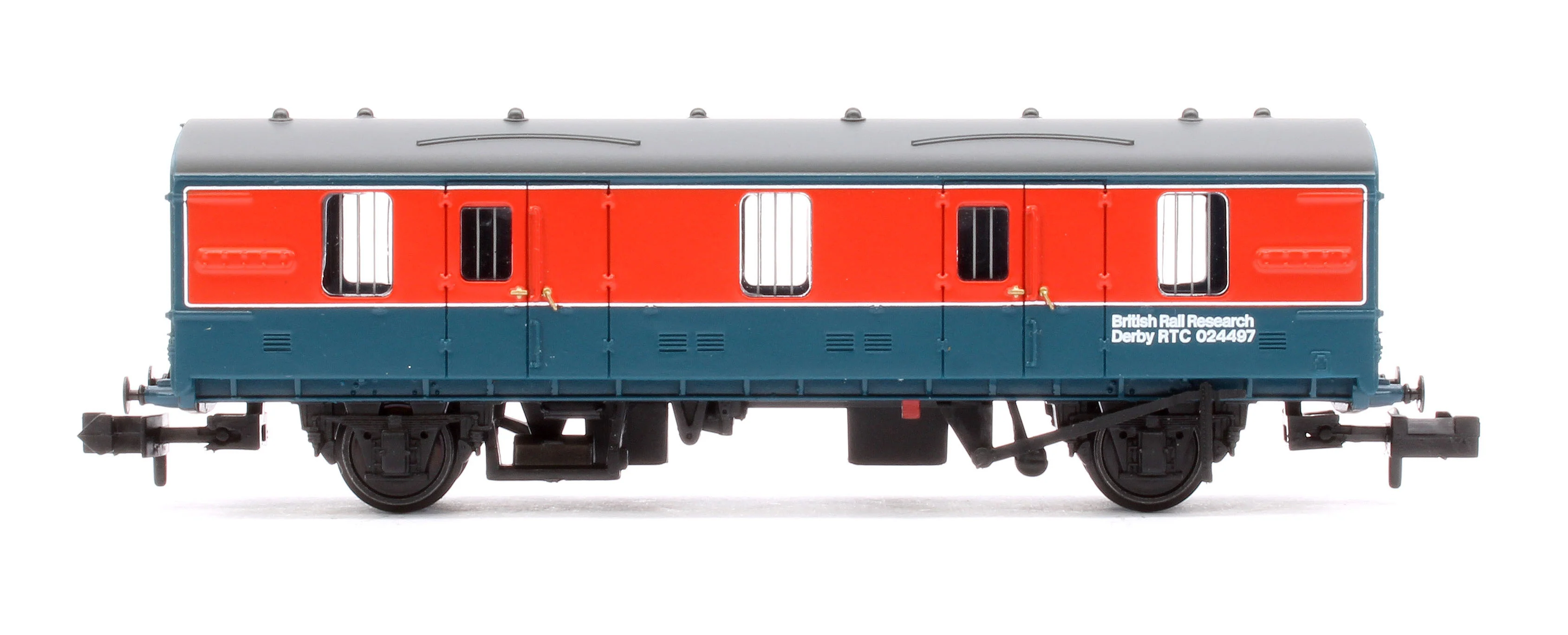
These four-wheel coaches are typical of the type that was operating at the end of the 19th century and into the early part of the 20th. Introduced by many of the pre-Grouping companies before the more comfortable bogie-coaches became common place.
As newer coaches were introduced, the four-wheelers were often cascaded down to rural branch lines and where passenger numbers were much lighter. Some survived into the 1950s and ‘60s, by virtue of their relative isolation from the major centres of operation, while others found further use as departmental vehicles.
When these small vehicles were retired, often their bodies were bought up by local people for use as summer homes, but especially by farmers who found they made good chicken coops or storage sheds. The chassis from the coaches often found further use as goods wagons.
Because so many of these wooden bodies found their way into private hands, a good number have survived to be saved by preservationists, who have refurbished them and mounted them onto suitable underframes for use on heritage trains.
Description
Expected Delivery September 2026 (Subject to Change at Manufacturer's Discretion).
A must-have model for your Class 43 rake, this FGW Mk3 TS Coach depicts Trailer Second No. 42272 in the First Great Western Green, Gold and White scheme from the early 2000s.
The Class 43 HST Power Cars and Mk3 trailing coaches have been a mainstay of the Hornby OO and TT:120 ranges for many years and this collection allows you to build a fully prototypical eight-car train, which is sure to make a statement on your TT:120 layout! Each Mk3 vehicle has been meticulously researched and features correct tooling depending on the type, expertly adorned with accurate colours and typefaces, and coach lettering.
Model Specification:
- Highly detailed model of Mk3 Trailer Second
- Defined bogie mouldings
- Detailed underframe and roof
- Moulded interior
- Kinematic NEM coupling mechanism
- Accessory pack.
Livery:
- First Great Western Green, Gold and White, commonly referred to as ‘Fag Packet’ livery
- ‘C’ coach number decals
- Semi-gloss finish
- Faithfully created using accurate colours and fonts
- Era 9.
History:
These four-wheel coaches are typical of the type that was operating at the end of the 19th century and into the early part of the 20th. Introduced by many of the pre-Grouping companies before the more comfortable bogie-coaches became common place.
As newer coaches were introduced, the four-wheelers were often cascaded down to rural branch lines and where passenger numbers were much lighter. Some survived into the 1950s and ‘60s, by virtue of their relative isolation from the major centres of operation, while others found further use as departmental vehicles.
When these small vehicles were retired, often their bodies were bought up by local people for use as summer homes, but especially by farmers who found they made good chicken coops or storage sheds. The chassis from the coaches often found further use as goods wagons.
Because so many of these wooden bodies found their way into private hands, a good number have survived to be saved by preservationists, who have refurbished them and mounted them onto suitable underframes for use on heritage trains.