
The Story
Expected Delivery September 2026 (Subject to Change at Manufacturer's Discretion).
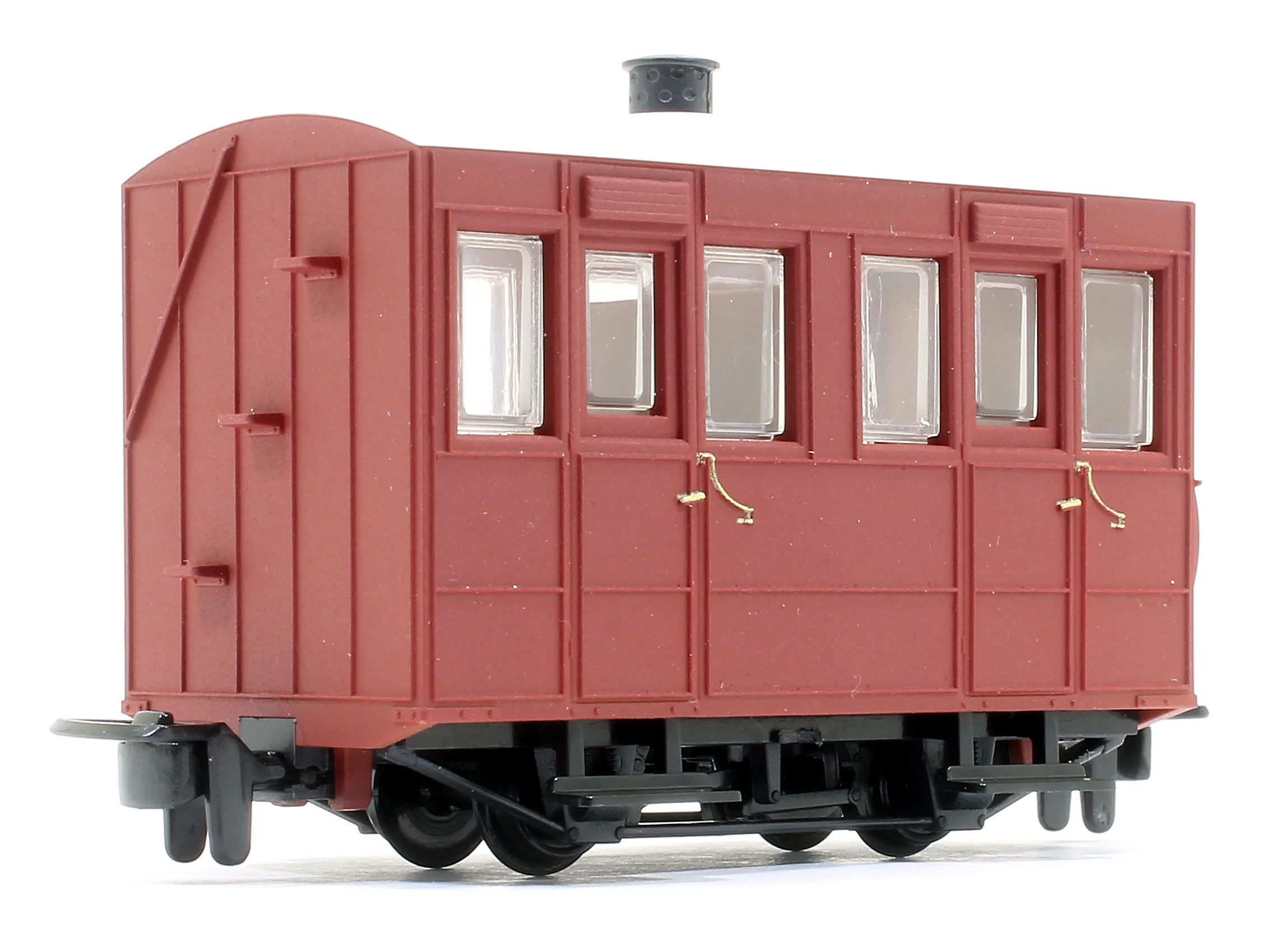
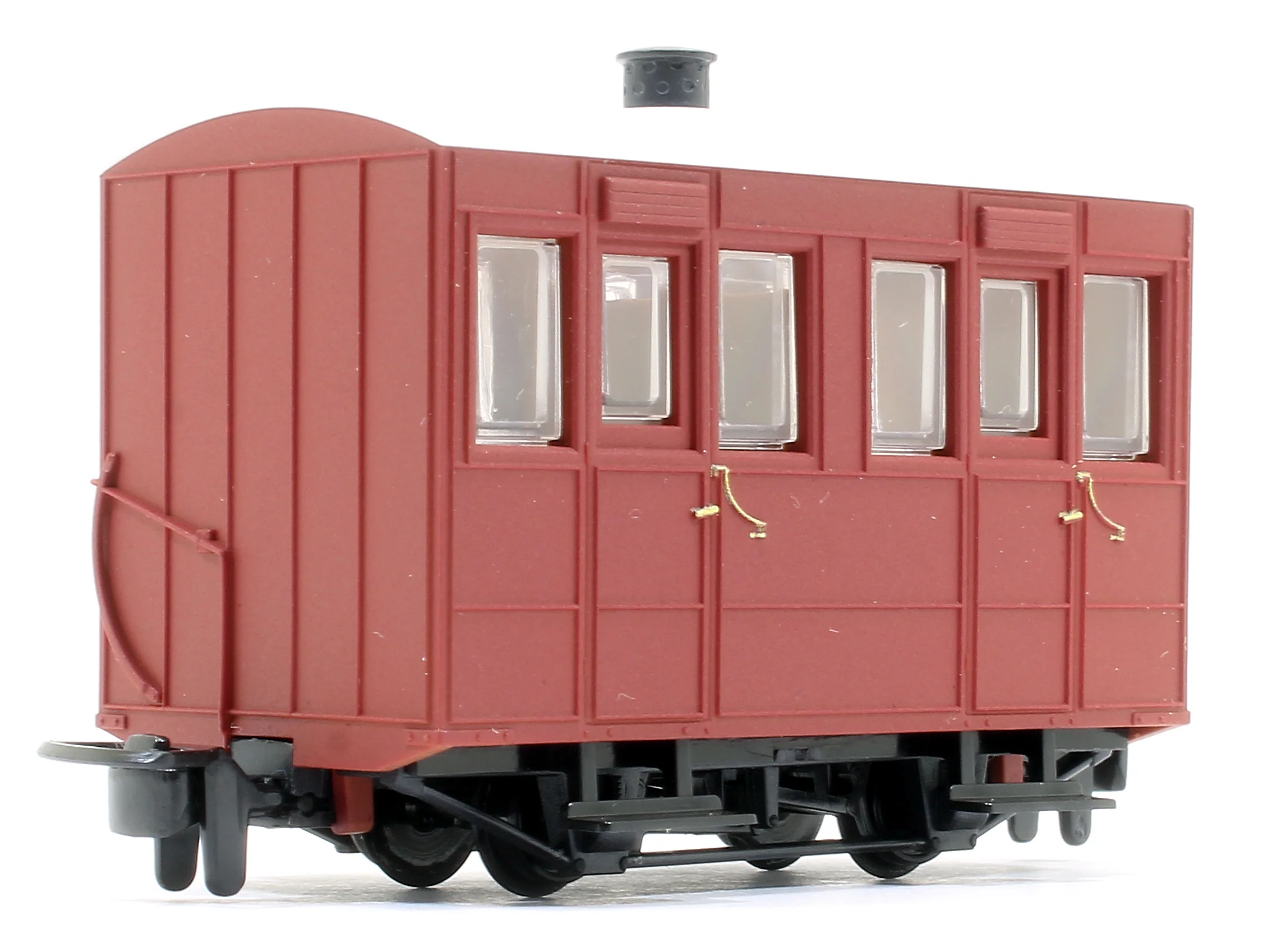
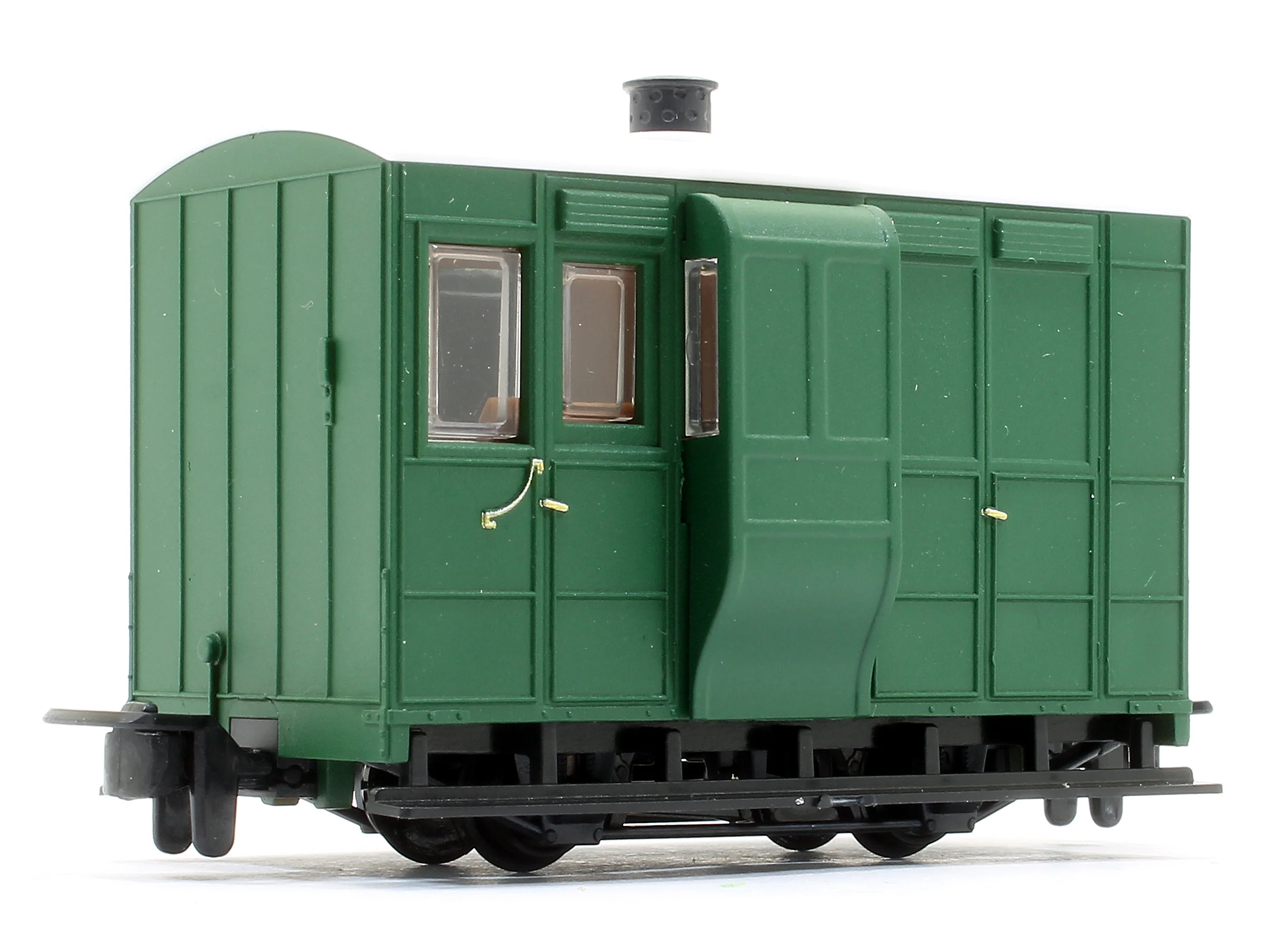
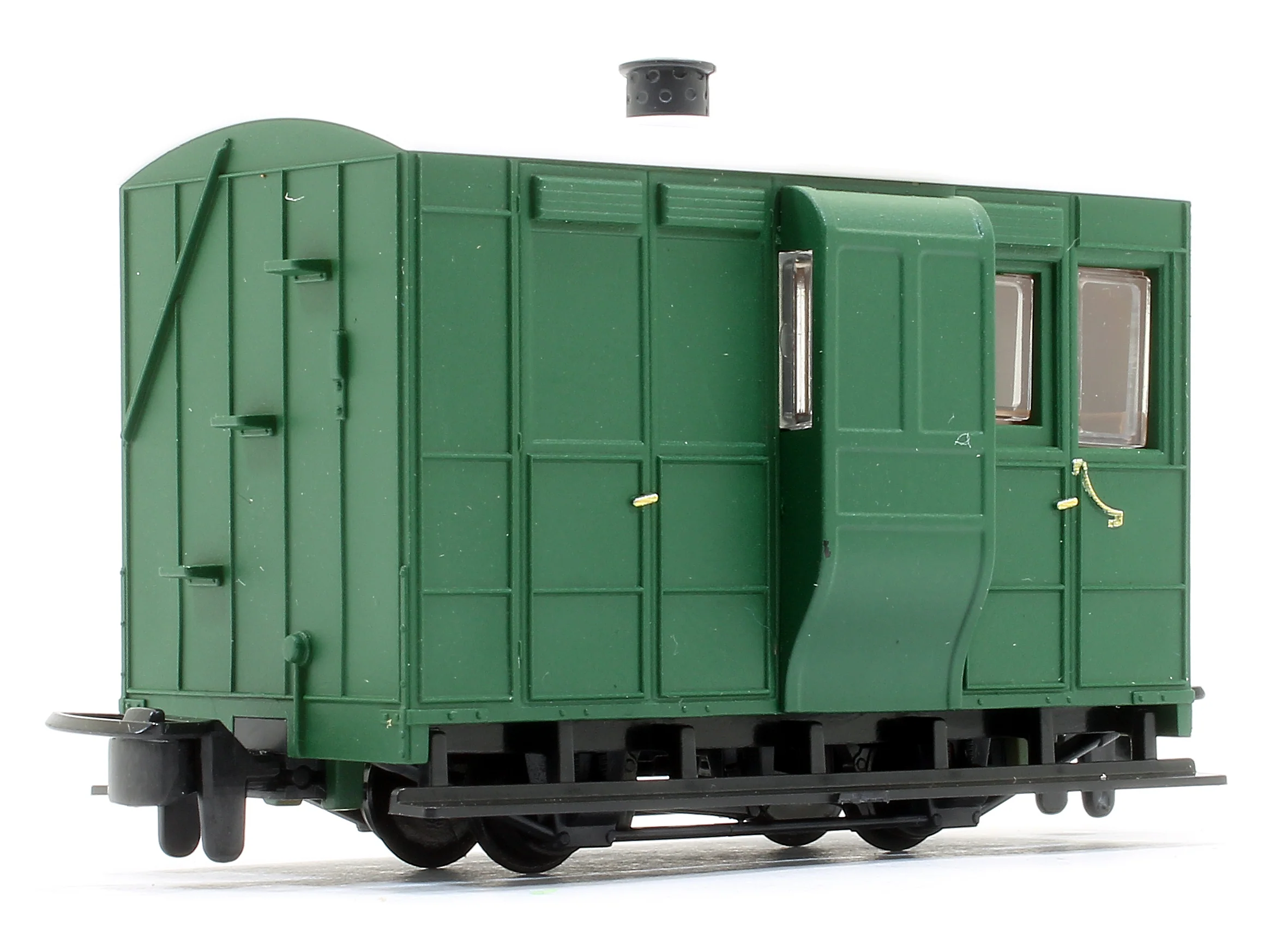
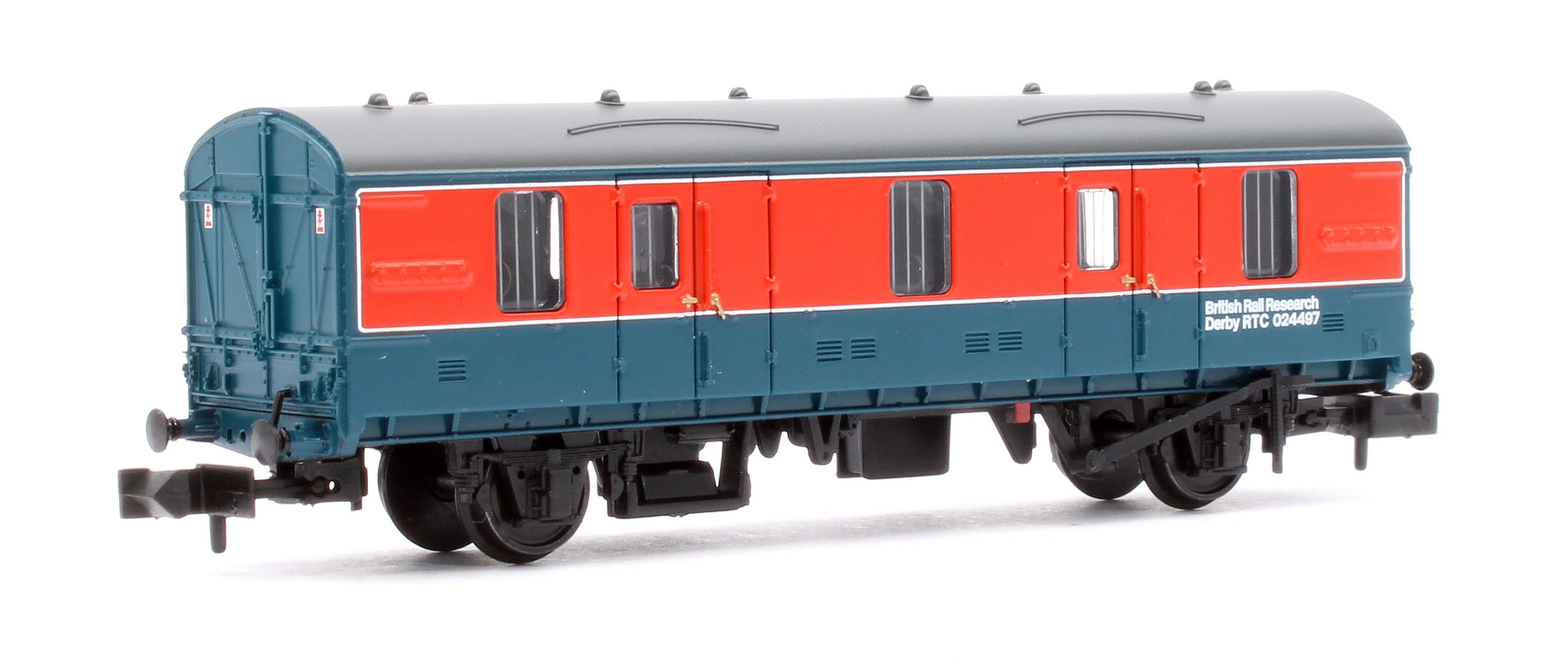
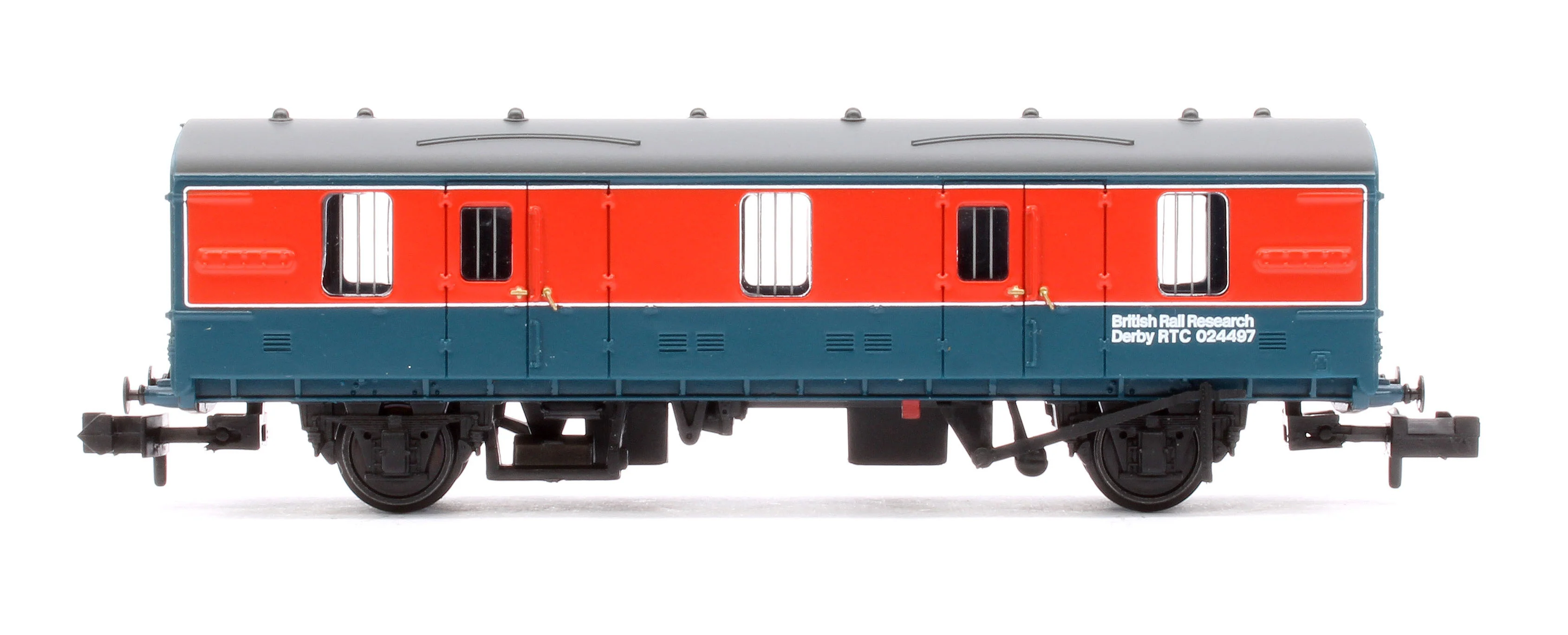
This BR Mk1 Brake Second Corridor Coach W34916 model accurately reflects the well-travelled BR Blue and Grey designs of eras 6 and 7.
The British Railways Mark 1 coach family includes some of the most successful designs in railway history, with thousands constructed and lasting from the early 50’s right up until the present day. Perfect for accompanying the TT:120 range of diesel locomotives like the Class 31, 37 and 50, these coaches add the next level of realism to your railway!
Model Specification:
- Highly detailed model of Mk1 Brake Second Corridor
- Defined bogie mouldings
- Detailed roof and underframe
- Moulded interior
- Kinematic NEM coupling mechanism
- Accessory pack.
Livery:
- BR Blue and Grey
- Western Region prefix
- Semi-gloss finish
- Era 6 and 7.
History:
The Mk1 was BR’s first standardised design of railway carriage with thousands built across BR’s carriage works in Derby, Wolverton, Doncaster, York, Eastleigh and Swindon between 1951 and 1963. The design was also used on first generation Diesel Multiple Units (DMUs) until 1974 and for non-passenger stock such as parcel vans and full brake vehicles.
The new coaches gradually replaced older designs inherited from the ‘Big Four’ at nationalisation in 1948 and were used on all British Railways regions. The standard underframe length was 63ft 5in (19.33m) with gangwayed bodies 64ft 6in (19.7m), though suburban coaches and parcel vans were shorter.
Coaches were either fully open or were corridor coaches with seating compartments. Bodywork was of steel panels on wooden frames, with a separate underframe consisting of heavy steel sections braced with steel trusses, originally mounted on ‘BR1’ bogies, though these were superseded by a new cast-steel design from 1958 known as the ‘Commonwealth’ bogie. Later examples utilised a Swindon-designed ‘B4’ bogie which gave a much-improved ride and was adopted for use on Southern Region Mk1 Electric Multiple Units (EMUs).
Description
Expected Delivery September 2026 (Subject to Change at Manufacturer's Discretion).
This BR Mk1 Brake Second Corridor Coach W34916 model accurately reflects the well-travelled BR Blue and Grey designs of eras 6 and 7.
The British Railways Mark 1 coach family includes some of the most successful designs in railway history, with thousands constructed and lasting from the early 50’s right up until the present day. Perfect for accompanying the TT:120 range of diesel locomotives like the Class 31, 37 and 50, these coaches add the next level of realism to your railway!
Model Specification:
- Highly detailed model of Mk1 Brake Second Corridor
- Defined bogie mouldings
- Detailed roof and underframe
- Moulded interior
- Kinematic NEM coupling mechanism
- Accessory pack.
Livery:
- BR Blue and Grey
- Western Region prefix
- Semi-gloss finish
- Era 6 and 7.
History:
The Mk1 was BR’s first standardised design of railway carriage with thousands built across BR’s carriage works in Derby, Wolverton, Doncaster, York, Eastleigh and Swindon between 1951 and 1963. The design was also used on first generation Diesel Multiple Units (DMUs) until 1974 and for non-passenger stock such as parcel vans and full brake vehicles.
The new coaches gradually replaced older designs inherited from the ‘Big Four’ at nationalisation in 1948 and were used on all British Railways regions. The standard underframe length was 63ft 5in (19.33m) with gangwayed bodies 64ft 6in (19.7m), though suburban coaches and parcel vans were shorter.
Coaches were either fully open or were corridor coaches with seating compartments. Bodywork was of steel panels on wooden frames, with a separate underframe consisting of heavy steel sections braced with steel trusses, originally mounted on ‘BR1’ bogies, though these were superseded by a new cast-steel design from 1958 known as the ‘Commonwealth’ bogie. Later examples utilised a Swindon-designed ‘B4’ bogie which gave a much-improved ride and was adopted for use on Southern Region Mk1 Electric Multiple Units (EMUs).